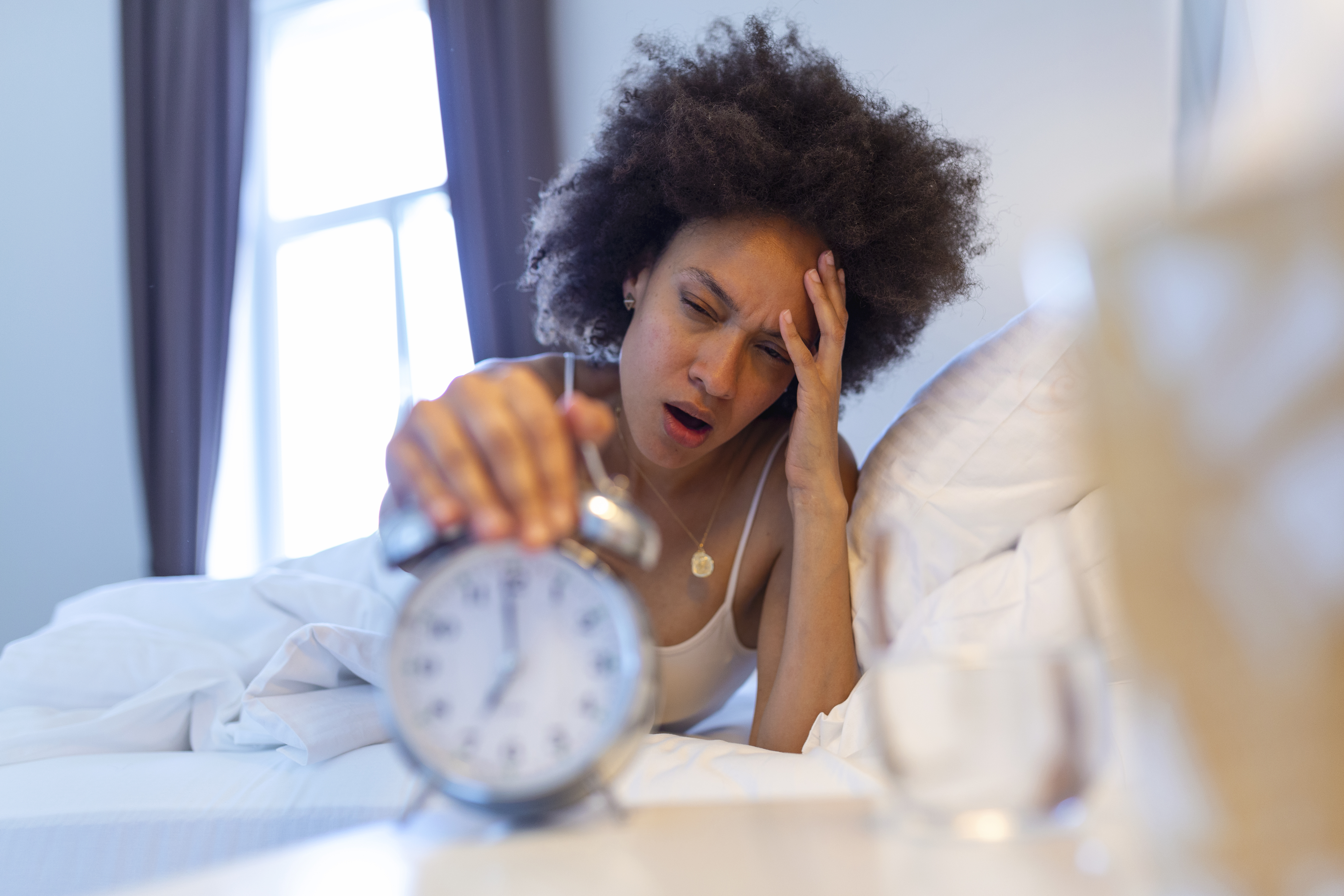

If you’re dealing with persistent insomnia, you’ve probably asked some version of this question at 2:47 a.m.: “If I’m doing everything right, why can’t I just sleep?”
You’ve cut the caffeine. You’ve tried the meditations, the supplements, the strict bedtime, the “no screens” rule.
And still, you’re awake.
This article is for the person who feels stuck in chronic sleeplessness, especially if you’ve “tried everything,” and you’re tired of advice that works for mild sleep problems but fails for long-term insomnia.
Sleep Science Academy (SSA) teaches Dynamic Sleep Recalibrating (DSR) as an education and coaching framework. It is not medical advice, not a diagnosis, and not a replacement for medical care. If you suspect an underlying sleep disorder (like sleep apnea) or you’re taking medications that affect sleep, DSR is meant to complement an appropriate clinical evaluation.
What Is Dynamic Sleep Recalibrating?
Dynamic Sleep Recalibrating (DSR) is a personalized, medication-free sleep recovery framework that helps people with chronic insomnia retrain their sleep system by reducing hyperarousal, rebuilding strong sleep cues, and restoring sleep timing. It integrates cognitive tools, behavioral scheduling, and nervous system regulation into an adaptive, step-by-step plan.
DSR was developed by Devin Burke, TEDx speaker, bestselling author, and founder of Sleep Science Academy. He holds a bachelor’s degree in health promotion and has multiple sleep and coaching-related certifications.
DSR is not a single technique; it’s an integrated system built on four evidence-based modalities taught through a coaching and education model:
-
CBT-I aligned behavioral strategies (stimulus control, scheduling, sleep pressure work)
-
Cognitive skills influenced by CBT and ACT-informed approaches (flexibility, defusion, reframing)
-
Mind-body regulation and stress physiology tools (downshifting hyperarousal)
-
Personalized iteration using real-world tracking and feedback (adjustments over time)
The American College of Physicians (ACP) recommends CBT-I as the first-line treatment for chronic insomnia. DSR is CBT-I-informed, aiming to build on that foundation by addressing the full 24-hour pattern of hyperarousal that many persistent insomniacs experience.
Why most “sleep fixes” fail for persistent insomnia
Most sleep advice assumes one thing: you are sleepy, so sleep should happen automatically.
But chronic insomnia doesn’t work like that.
Here’s the trap many people fall into:
-
You sleep badly.
-
You try harder the next night.
-
You add more rules, more hacks, more control.
-
The effort creates pressure.
-
The pressure creates arousal.
-
The arousal blocks sleep.
More effort leads to more pressure. More pressure leads to worse sleep. Worse sleep leads to even more effort.
So what’s the real mechanism underneath?
The core mechanism: nervous system hyperarousal
In many cases of persistent insomnia, the issue is not “bad habits.” It’s conditioned wakefulness paired with a nervous system stuck in threat detection mode.
Your brain learns: bed = struggle.
Your body learns: night = alertness.
And then even when you’re exhausted, you feel “tired-but-wired.”
Why medication often doesn’t resolve the real problem
Sedative hypnotics (including benzodiazepines and “Z-drugs” like zolpidem) can provide short-term relief for some people, but they typically do not retrain the underlying conditioned arousal that drives chronic insomnia. These medications also carry risks such as tolerance, dependence, and the potential for rebound insomnia when discontinued.
Research comparing behavioral treatment with medication consistently finds that CBT-I has stronger long-term benefits. One network meta-analysis reported long-term remission rates of 41% for patients starting with CBT-I versus 28% for those starting with medication.
Why standalone CBT-I sometimes isn’t enough in the real world
CBT-I is the gold standard. It works, is evidence-based, and should be easier to access than it is.
But there are real limitations:
-
Therapist availability is limited in many areas.
-
Dropout rates can be high (especially when people feel worse before they feel better).
-
Many programs focus mainly on nighttime behaviors, even though hyperarousal often runs all day, not just at bedtime.
That gap matters. Because if the system is revved up at 10 a.m., it usually does not magically calm down at 10 p.m.
The missing piece for many persistent insomniacs is addressing the systemic hyperarousal state that persists around the clock.
The sleep science behind DSR: what’s happening in chronic insomnia
Chronic insomnia is typically a mix of:
-
Learning and conditioning (your brain associates bed with wakefulness)
-
Physiology (your arousal system remains overactive)
Understanding the three core systems that govern sleep can clarify why sleep stays elusive:
Homeostatic sleep drive (sleep pressure)
Sleep pressure builds the longer you stay awake, creating a natural urge to sleep. Napping or spending too much time awake in bed can disrupt this pressure, making sleep less predictable. DSR uses scheduling to restore clear, effective sleep drive.
Circadian rhythm (your internal clock)
Your circadian rhythm regulates when you feel sleepy or alert throughout the day and night. Light exposure, consistent wake times, meals, and routines all influence this clock. DSR examines whether timing misalignments are contributing to insomnia beyond just anxiety or stress.
Arousal system (stress physiology)
This system is the “on switch” for body and mind. It involves sympathetic nervous activity, stress hormones, and conditioned alertness. Chronic overactivation means that even with strong sleep pressure, restful sleep remains out of reach.
A key physiological marker here is the cortisol awakening response (CAR); a surge in cortisol shortly after waking. In chronic insomnia, this response can become heightened or dysregulated due to ongoing stress (see NIH/NHLBI resources on insomnia and the HPA axis). This persistent hyperarousal “trains” the brain to stay vigilant, even at night.
DSR retains foundational CBT-I principles but places extra emphasis on recalibrating these 24-hour systems, not just nighttime behaviors.
Nervous system hyperarousal: the hidden engine of ‘can’t sleep even when tired’
If you’ve ever said, “I’m exhausted but my body won’t let me sleep,” you’re describing hyperarousal.
Common signs include:
-
Wired-but-tired feeling
-
Racing mind, looping thoughts
-
Body tension or restless energy
-
Frequent awakenings
-
Early morning waking with alertness
-
Increased sensitivity to noise, sensations, or internal body cues
A major factor is conditioning. The bed becomes a cue for alertness. The brain starts predicting struggle before your head hits the pillow.
And then the final insult: willpower.
When sleep becomes a performance, effort backfires. Because effort is arousal. And arousal is the opposite of sleep.
Circadian misalignment vs hyperarousal (and why many people have both)
Not all insomnia is the same. Two common patterns often overlap:
Circadian misalignment (timing problem):
-
You get sleepy too late (delayed schedule)
-
You wake too late on weekends and can’t sleep Sunday night
-
Your wake time is inconsistent, so your clock drifts
Hyperarousal/conditioning (activation problem):
-
You fear bedtime
-
You’re tense at night even when life is “fine”
-
You wake and your brain snaps fully on
Many people have both. That’s why a one-size checklist fails.
DSR looks at both sides:
-
Restore the sleep-wake cycle
-
Regulate the nervous system state
DSR’s core model: recalibrate the mind, body, and schedule (not “force” sleep)
Sleep Science Academy teaches a simple maxim:
Sleep is a result, not the problem.
Meaning: if your system is calibrated for alertness, you don’t fix that by forcing sleep. You fix it by changing what the system is doing.
DSR can be understood as three pillars:
-
Cognitive reframing (reduce threat and effort)
-
Behavioral scheduling (rebuild cues and sleep pressure)
-
Mind-body regulation (train downshift skills day and night)
And it’s personalized. Not a rigid template. Not the same sleep window for everyone. Not a generic “go to bed at 10.”
Pillar 1 — Cognitive reframing: reducing sleep effort and threat signaling
When your brain treats a poor night’s sleep as a genuine threat, it ramps up vigilance and makes rest even harder.
Common catastrophic thought patterns include:
-
“If I don’t sleep, tomorrow is ruined.”
-
“This will never get better.”
-
“Something is wrong with me.”
-
“I have to fall asleep now.”
DSR focuses on changing your relationship with these thoughts. The goal isn’t forced positivity, but rather dialing down the internal alarm that drives arousal.
Key cognitive skills practiced:
-
Noticing thoughts without engaging in struggle
-
Distinguishing between feeling sleepy and needing to perform sleep
-
Practicing pre-sleep detachment (observe, allow, gently return attention)
This approach aligns with CBT-I cognitive strategies and ACT-informed techniques (like acceptance, defusion, and building psychological flexibility).
You may also encounter language-pattern coaching methods: structured ways of using questions or reframing statements, to help shift meaning and reduce threat. In DSR, these are communication tools used by coaches to support mindset change and lower arousal; they are not presented as standalone treatments.
Pillar 2 — Behavioral scheduling: rebuilding strong sleep cues (CBT-I aligned)
For persistent insomnia, schedule often matters more than supplements.
DSR draws from core CBT-I behavioral principles such as:
-
Consistent wake time (anchor the clock)
-
Stimulus control (bed = sleep, not struggle)
-
Sleep window strategies that build sleep pressure
Two terms you may see:
-
Sleep restriction therapy (more structured, reduces time in bed to consolidate sleep)
-
Sleep compression (a gentler, gradual version)
DSR adapts the approach to the individual:
-
Gradual changes when anxiety is high
-
Targets that respect lifestyle constraints
-
Iteration based on response, not “push through no matter what”
Safety note: Any approach that reduces time in bed can increase sleepiness short term. Avoid drowsy driving, and coordinate with a clinician if you have medical conditions, safety-sensitive work, or significant mental health symptoms.
Pillar 3 — Mind-body regulation: downshifting the arousal system at night (and during the day)
Regulation is a skill. A trainable skill. You’re not trying to knock yourself out, you’re teaching your nervous system how to shift gears.
Tools often include:
-
Breathwork (slow, controlled breathing)
-
Mindfulness body scans
-
Interoceptive awareness (feeling internal sensations without panic)
-
Wake-up protocols that reduce struggle and clock-checking
A key DSR idea: daytime regulation matters.
If you spend the whole day in hypervigilance, your system doesn’t suddenly become calm at bedtime. DSR trains regulation throughout the day so nights become less of a battle.
DSR vs CBT-I: what’s the difference (and what’s the same)?
CBT-I is widely recognized in clinical guidelines as the gold-standard behavioral treatment for chronic insomnia.
DSR is CBT-I-informed, and shares many of the same core behavioral principles. The difference is emphasis and delivery:
-
Broader coaching modalities (ACT-style flexibility, nervous system training, reframing tools)
-
Greater focus on the full 24-hour hyperarousal cycle
-
Personalization and iterative recalibration rather than a fixed protocol
What a DSR sleep recovery program typically includes (step-by-step)
A realistic sleep recovery process is not “one tip.” It’s a sequence.
Here’s what a DSR-style process generally looks like:
-
Assessment
-
Plan
-
Implementation
-
Recalibration (adjustments)
-
Maintenance
Step 1 — Personalized sleep assessment (patterns, triggers, physiology)
The goal is to understand your insomnia, not “insomnia in general.”
Common assessment areas:
-
Sleep history and duration of the issue
-
Insomnia type: sleep onset, maintenance, early waking
-
Wake time consistency and sleep timing
-
Naps, caffeine, alcohol, cannabis, nicotine
-
Light exposure (morning and evening)
-
Stress load and nervous system “state” during the day
-
Beliefs about sleep and fear patterns at night
-
Struggle behaviors: clock-checking, forced relaxation, doom scrolling
Red flags that warrant medical evaluation alongside coaching:
-
Loud snoring, gasping, witnessed apneas, excessive daytime sleepiness (possible sleep apnea)
-
Restless legs symptoms or periodic limb movements
-
Significant mood symptoms, severe depression, suicidality
-
Medication effects and interactions
-
Pregnancy or complex medical conditions
DSR coaching does not diagnose. It helps you identify when to involve a clinician.
Step 2 — Build a customized action plan (small levers first)
Most people fail by trying to change everything at once.
DSR prioritizes 1 to 3 high-impact levers first, such as:
-
A wake time anchor
-
A simple wind-down structure
-
One stimulus control tweak
-
One cognitive reframe practice for night worry
The point is not perfection. The point is compliance you can actually sustain.
Step 3 — Recalibrate the sleep-wake cycle (circadian + homeostatic drive)
Two targets: restore timing and rebuild sleep pressure.
Common circadian anchors:
-
Consistent wake time (even after a bad night)
-
Morning light exposure (get bright light early when possible)
-
Evening dimming (reduce bright light late)
-
Meal and exercise timing that supports your schedule
Common sleep pressure strategies:
-
Avoid long naps (or cap them when necessary)
-
Adjust time in bed strategically so bed becomes associated with sleep, not struggle
This is where many people finally feel traction. Not because they “forced sleep,” but because the system starts producing sleep more reliably.
Step 4 — Train mind-body regulation (pre-sleep and wake-ups, plus daytime skills)
A simple protocol can be enough to start:
Before bed (3–10 minutes):
-
3 to 5 minutes slow breathing
-
Brief PMR sequence (tighten and release muscle groups)
If you wake at night:
-
Reduce clock-checking
-
Do an “allowing” practice (notice sensations, soften resistance, let the body rest even if sleep is not immediate)
-
If you’re agitated, change the context (quiet, low light, non-stimulating activity), then return when sleepy
During the day (to train nervous system flexibility):
-
Take two “downshift breaks”: Pause for 2–5 minutes to do slow breathing or a body scan, especially after stress spikes or before transitions (like leaving work).
-
Practice micro-relaxation: Notice tension in your jaw, shoulders, or hands and deliberately relax them a few times per day. This builds the habit of shifting out of fight-or-flight mode.
-
Try mindful walking: Take a short walk and focus on present-moment sensations (air, sounds, feet on ground) to cue safety to your nervous system.
Plan for setbacks:
-
After a bad night, protect the next night’s sleep drive
-
Avoid “compensations” that steal sleep pressure (long naps, sleeping in late)
Bad nights happen. The skill is recovering faster.
Step 5 — Use sleep tracking data the right way (without obsession)
Tracking can help, or it can become a new insomnia ritual.
DSR emphasizes:
-
Wearables are estimates, not truth
-
Subjective sleep matters because insomnia is partly a perception and arousal problem
-
Data is for adjusting the plan, not judging yourself
A few useful metrics to track — and what to do with them:
-
Wake time consistency: Note any drift; if it varies by more than 30–45 minutes on most days, re-anchor your wake time.
-
Time in bed: Compare this with actual sleep; if you’re spending much longer in bed than sleeping, consider shrinking your window gradually.
-
Estimated “struggle time” at night: Track how long you’re awake and frustrated; use this to spot improvement or patterns that need new coping tools.
-
Sleep confidence (how safe bedtime feels): Rate this each evening; low scores highlight when to lean into cognitive reframing or extra mind-body work.
-
Daytime energy stability: Track dips and peaks; if afternoon crashes persist despite better sleep habits, review caffeine/napping/exercise timing.
When the obsession drops, sleep often rises. Use data as feedback for gentle course corrections, not as proof of success or failure.
Who DSR is best for (and when you should consider other support)
DSR is often a strong fit for people who have:
-
Persistent or chronic insomnia (months or years)
-
Hyperarousal and sleep anxiety
-
A history of “trying everything” with minimal improvement
-
Good sleep hygiene but poor results
-
A desire to reduce or avoid medication (with clinician guidance when relevant)
-
A preference for skills-based, long-term insomnia relief with accountability
Consider medical evaluation alongside coaching if you suspect:
-
Sleep apnea (snoring, gasping, pauses in breathing)
-
Restless legs or unusual nighttime movements
-
Significant medication-related sleep disruption
-
Severe mood symptoms or complex psychiatric conditions
-
Pregnancy-related sleep complications or other medical factors
The best outcomes often come from the right blend: education, coaching, and medical support when indicated.
Pros and cons of Dynamic Sleep Recalibrating (DSR)
Pros
-
Addresses hyperarousal as a driver of persistent insomnia, not just bedtime habits
-
Combines cognitive-behavioral therapy for insomnia (CBT-I) methods with techniques for managing nervous system arousal
-
Allows for individualized approaches based on personal sleep patterns and challenges, rather than applying a uniform protocol
-
Utilizes non-medication strategies and emphasizes skill development
-
Emphasizes gradual, sustainable changes intended to support long-term improvements in sleep
Cons and limitations
-
Requires consistency and practice, especially early on
-
Progress can be non-linear (better nights, then setbacks, then stability)
-
Not ideal if you only want a “one-night solution”
-
May need clinical care for comorbid sleep disorders (apnea, RLS, etc.)
If someone has severe depression, mania, or safety risks, clinician-led care is essential
What results to expect
The first wins are not always “8 hours.”
Often the first wins are:
-
Less fear at bedtime
-
Less clock-checking
-
Less mental wrestling
-
More confidence after a rough night
Then, with consistent application over weeks:
-
Fewer bad nights overall
-
Faster return to sleep after wake-ups
-
More stable wake time and energy
-
A feeling that sleep is happening again, not being forced
Why it takes time:
-
Conditioning takes repetition to unwind
-
The nervous system takes practice to downshift
-
Your clock and sleep drive need consistent anchors
You are not broken, you are trained. And what’s trained can be retrained.
How Sleep Science Academy approaches DSR (coaching-first, science-backed)
Sleep Science Academy offers structured coaching programs for individuals struggling with chronic insomnia. Programs are built around the Dynamic Sleep Recalibrating (DSR) framework, which combines cognitive, behavioral, and mind-body regulation techniques. All coaching is skills-based and educational in nature; it is not therapy and does not constitute medical treatment.
The approach draws from several evidence-informed methods:
-
Cognitive Behavioral Therapy for Insomnia (CBT-I) principles
-
Behavior change science and habit formation strategies
-
Mindfulness and Acceptance & Commitment Therapy (ACT)-informed skills relevant to insomnia
-
Nervous system regulation practices aimed at reducing hyperarousal
Programs are led by certified sleep coaches.
Dynamic Sleep Recalibrating (DSR) and related SSA programs provide education and coaching support. They are not substitutes for medical assessment or treatment. Individuals with complex sleep disorders or underlying medical or psychiatric conditions should consult their healthcare provider.
Rebuilding Trust in Your Natural Sleep System
As you begin to experiment with Dynamic Sleep Recalibration, the most important shift is not in your bedtime routine, but in your relationship with sleep itself. Chronic insomnia often leads to a cycle of control: trying harder, monitoring more closely, and feeling responsible for every restless night.
DSR encourages a different approach: gradually stepping back from micromanaging each detail and allowing your natural sleep system to reassert itself. This change is about fostering trust in your body’s ability to recover its own rhythms once the pressure to “make” sleep eases. Over time, this mindset can gently support a healthier, less adversarial experience with rest.