

Having trouble falling asleep at night? You’re not alone. Millions of people are looking for natural ways to sleep better, and one secret weapon is right in your headphones: music that makes you sleepy.
Music as a sleep aid isn’t just an old wives’ tale—it’s all about working with your body’s own rhythms. The right relaxing playlist helps cue your brain and body that it’s time to wind down. This means less tossing, fewer racing thoughts, and a smoother transition into dreamland.
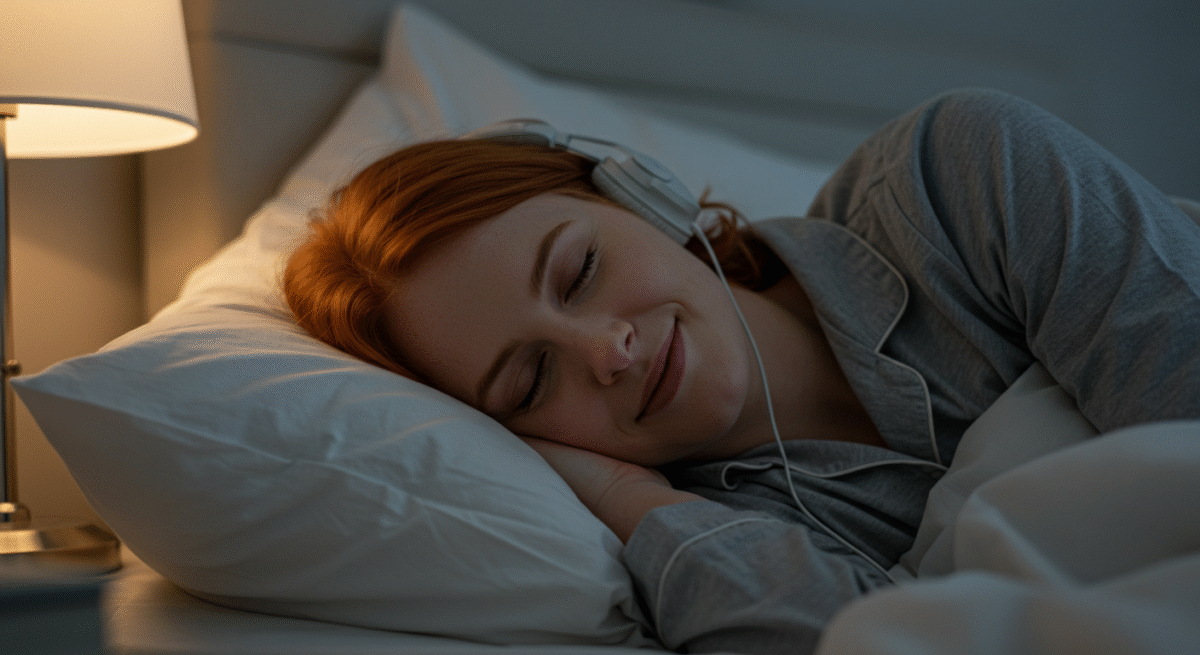
Integrating calming music into your bedtime routine turns the nightly grind into a gentle ritual. Dim the lights, hit play on soothing melodies, and let the day’s worries melt away while your favorite tunes lull you toward rest.
Research shows that certain kinds of music can lower stress hormones, slow your breathing and heart rate, and even encourage deeper stages of restorative sleep. That’s a big win for anyone hoping to wake up feeling refreshed.
However, if you’re still struggling with sleep despite trying various methods, it might be beneficial to explore more structured approaches such as Dynamic Sleep Recalibrating (DSR), which offers a holistic way to reclaim restful nights. Alternatively, you could consider sleep coaching, a process that combines sleep information with behavioral change to enhance your sleep quality.
Key takeaway: Picking the right kind of music isn’t just pleasant background noise—it’s a powerful tool that can upgrade your sleep quality naturally. Whether you’re building a new bedtime tradition or looking for an edge against insomnia, music could be the missing piece to sweeter dreams. If traditional methods aren’t yielding results, remember there are natural options available or you might find value in seeking professional guidance through adult sleep coaching which can help identify and address underlying issues causing restless sleep.
TL;DR – “Music That Makes You Sleepy” (Sleep Science Academy)
- Listening to calming, slow‑tempo music (≈ 60–80 BPM), especially instrumental tracks like classical, ambient, or nature sound–based pieces, can help reduce stress, synchronize brainwaves, and promote both deeper sleep and easier sleep onset (Wikipedia).
- Music supports relaxation by lowering heart rate, blood pressure, and cortisol, encouraging alpha and delta brainwave activity tied to restful sleep stages (Wikipedia).
- Compared to audiobooks or talking, soothing music has shown stronger effects on sleep quality and can be comparable to mild sleep medications—without any side effects (Wikipedia).
- Individual preference matters: music works best when it’s familiar and enjoyable, with consistent bedtime use (e.g. listening nightly for ≥3 weeks) creating a conditioned sleep cue (Wikipedia).
Bottom line: Pick relaxed, lyric-free music you enjoy and incorporate it into your nightly wind-down. Over time, your brain learns to associate it with sleep—helping you fall and stay asleep more naturally.
How Music Affects Sleep and the Body
Activating the Parasympathetic Nervous System
Calming music plays a significant role in activating the parasympathetic nervous system, which is responsible for promoting relaxation and reducing stress. This system counteracts the body’s fight-or-flight response, helping to lower anxiety levels. When you listen to soothing tunes, your body can shift into a more relaxed state, making it easier to fall asleep.
Lowering Heart Rate and Cortisol Levels
Listening to relaxing music can also have a profound impact on your heart rate and cortisol levels. Cortisol is often referred to as the stress hormone, and high levels of it can make it difficult to unwind. By listening to calming music before bed, you can effectively reduce cortisol levels, leading to a more peaceful state of mind. Additionally, slow rhythms help lower heart rate, signaling your body that it’s time to rest.
Enhancing Slow-Wave and REM Sleep Stages
Effective sleep-inducing music contributes to better sleep quality by enhancing both slow-wave sleep and REM (Rapid Eye Movement) sleep stages. Understanding the Sleep Cycle It takes an average of 100 minutes for the body to complete a full sleep cycle, and your body usually goes through 4 to 6 cycles a night. Slow-wave sleep is crucial for physical restoration and recovery, while REM sleep is important for cognitive functions like memory consolidation and emotional regulation. Calming melodies can facilitate these stages, ensuring you wake up feeling refreshed and rejuvenated.
Boosting Immune System Function
Improved sleep has a direct correlation with a stronger immune system. When you get quality rest, your body produces more cytokines—proteins that help combat infections and inflammation. By integrating soothing music into your bedtime routine, you’re not only enhancing your sleep but also giving your immune system a much-needed boost.
Benefits Beyond Sleep
- Anxiety Reduction: Regularly listening to calming music can help manage anxiety symptoms, creating a tranquil mental environment conducive to better sleep.
- Overall Well-being: Quality sleep supported by relaxing music improves various aspects of well-being including mood regulation, cognitive function, and physical health.
Incorporating the right kind of music into your nightly routine can be a game-changer for both sleep quality and overall health. Moreover, daily habits that focus on reducing stress can further enhance the effectiveness of such interventions. For those struggling with persistent sleeplessness or insomnia, exploring options like sleep therapy might be beneficial.
Characteristics of Effective Sleep-Inducing Music
When it comes to creating the perfect auditory environment for sleep, certain characteristics make some music more effective than others. Let’s break down what makes music ideal for inducing sleep.
Slow Tempo: The Ideal BPM Range
- Tempo Range: Music with a tempo between 60-80 beats per minute (BPM) is often considered ideal for promoting relaxation.
- Reason for Slower Rhythms: Slower tempos mimic the natural rhythm of a resting heart rate, helping to slow down your own heart rate and breathing. This physiological change can lead to a state of calmness conducive to falling asleep.
Preference for Instrumental or Lyric-Free Tracks
- Avoiding Mental Stimulation: Lyrics can engage the mind, making it harder to relax and drift off to sleep. Instrumental music removes this mental stimulation, allowing your brain to focus on relaxing. Example: Gentle piano pieces or soft acoustic guitar tracks are great choices.
- Mindful Selection: When selecting tracks, aim for those that have a consistent tone and lack abrupt changes in tempo or volume.
Importance of Consistent Rhythm, Low Tones, and Volume Control
- Consistent Rhythm: A steady, predictable rhythm helps create an environment where your mind can let go of daily stresses and focus on relaxation. Example: Classical pieces with a steady tempo by composers like Chopin or Debussy.
- Low Tones: Music with lower tones tends to be more soothing. High-pitched sounds can sometimes be jarring or stimulating. Example: Ambient music featuring deep drones or gentle bass lines.
- Volume Control: Keeping the volume at a low but audible level is crucial. Too loud can be distracting, while too soft might not be effective in masking background noise.
Pro Tip: Use volume settings that allow you to hear the music clearly but softly enough that it doesn’t dominate your attention.
Crafting Your Sleep Playlist
Creating a playlist that combines these elements can significantly improve your sleep experience:
- Start with Tempo: Choose songs within the 60-80 BPM range.
- Opt for Instrumentals: Select tracks free from lyrics to minimize mental engagement.
- Check Rhythm and Tones: Ensure the music has a consistent rhythm and low tones.
- Adjust Volume Levels: Set your device’s volume at a comfortable level that promotes relaxation without distraction.
Incorporating these characteristics into your nightly routine can transform your bedtime experience, making it easier to unwind and enjoy a restful night’s sleep. Sleep science shows how vital such practices are for achieving quality rest. Furthermore, deep sleep music has been proven to help combat insomnia, making it an essential tool in your sleep-inducing arsenal.
Best Genres and Styles of Music That Make You Sleepy
Classical Music
Classical sleep music is renowned for its calming effects. The steady tempos and flowing melodies of composers like Chopin, Debussy, and Mozart create a soothing auditory environment perfect for sleep.
- Chopin: His nocturnes are particularly effective, often featuring gentle piano compositions that entrain brain waves for relaxation.
- Debussy: Known for his impressionistic style, pieces like “Clair de Lune” evoke tranquility and peace.
- Mozart: “Moonlight Sonata” is a popular choice, with its serene melodies helping to calm the mind and body.
Ambient Music
Ambient music provides atmospheric soundscapes ideal for relaxation. This genre focuses on creating an immersive experience that helps listeners unwind.
- Artists like Brian Eno: Pioneers in ambient music, known for their ethereal and spacious compositions.
- Soundscapes: These often include natural sounds such as rain or wind, which can be incredibly soothing.
Chill-Out Music
Chill-out music features slow tempos, soft melodies, and smooth beats designed to induce relaxation. It’s perfect for creating a mellow atmosphere before bedtime.
- Lofi Beats: Slow lofi jazz tracks are especially effective at relaxing the mind.
- Café del Mar: A popular series of chill-out compilations known for their tranquil vibes.
Combining these genres can create a diverse yet cohesive playlist that caters to personal preferences while promoting restful sleep.
Influential Artists and Popular Tracks for Sleep-Inducing Playlists
Here are some of the most influential artists and tracks that have become staples in sleep-inducing playlists on platforms like Spotify.
Ed Sheeran Sleep Playlist Spotify
Ed Sheeran’s songs are incredibly popular on sleep playlists. His soothing voice and mellow acoustic guitar create a calming atmosphere perfect for unwinding. Notable tracks include:
- “Perfect” – A gentle love song with a tempo of 63 BPM.
- “Thinking Out Loud” – A romantic ballad at 79 BPM, ideal for relaxation.
Agnes Obel
Agnes Obel’s hauntingly beautiful music often finds its way into sleep playlists. Her track “Riverside” (198 BPM) is known for its tranquil piano melody and soothing vocals.
Yeah Yeah Yeahs
“Wedding Song (Acoustic)” by the Yeah Yeah Yeahs (172 BPM) offers a stripped-down version of their classic, providing a peaceful listening experience conducive to sleep.
Sigur Rós
Sigur Rós is renowned for their ethereal soundscapes. Their track “All Alright” (132 BPM) is especially calming, featuring soft instrumentation and ambient tones that help lull listeners to sleep.
James Blake
James Blake’s “Lullaby for my Insomniac” (130 BPM) is crafted specifically with insomniacs in mind. Its gentle harmonies and slow tempo make it a perfect addition to any sleep playlist.
Classical Selections
- Chopin’s Nocturnes – These pieces often have tempos around 60-80 BPM, making them ideal for relaxation.
- Debussy’s Clair de Lune – This iconic piece has a dreamy quality that promotes restful sleep.
Ambient and Chill-Out Tracks
- Yo La Tengo’s “Green Arrow” (174 BPM) – Known for its cinematic quality, this track creates a serene environment.
- Mazzy Star’s “Fade Into You” (157 BPM) – Hope Sandoval’s soft vocals paired with the laid-back melody make this track perfect for winding down.
Creating a playlist with these artists and tracks can significantly enhance your bedtime routine, helping you drift off into a peaceful slumber.
Specialized Music Techniques and Frequencies That Promote Relaxation
1. Sleep Story Melodies
Sleep Story Melodies have become a go-to aid for those suffering from insomnia, a condition that can severely disrupt one’s sleep patterns. These are bedtime stories narrated in a calm, soothing voice, paired with gentle music or ambient sounds. The combination helps to distract the mind from daily stresses and anxieties, allowing for a more peaceful transition into sleep. Popular apps like Calm and Headspace feature a variety of sleep stories ranging from fairy tales to guided meditations.
2. Natural Sounds
Natural sounds such as falling rain, ocean waves, or the rustling of leaves can be incredibly effective at promoting relaxation. These sounds mimic the natural environment, creating a tranquil atmosphere that can lull you to sleep. Incorporating these sounds into your sleep playlist alongside soft instrumental tracks can enhance the overall calming effect.
3. Solfeggio Frequencies for Relaxation
Solfeggio frequencies are specific tones that are believed to promote healing and relaxation. Originating from ancient Gregorian chants, these frequencies align with certain brainwaves to induce a state of calm. For example:
- 396 Hz: Helps release anxiety and fear
- 417 Hz: Encourages change and removes negativity
- 528 Hz: Promotes love and DNA repair
- 639 Hz: Enhances communication and harmony
By incorporating these frequencies into your sleep playlist, you can create an environment conducive to deep relaxation and restorative sleep.
4. Breathing Patterns
Integrating breathing patterns into your sleep music can also be beneficial. Tracks that slow down gradually can help synchronize your breathing with the rhythm, promoting relaxation. This technique is often used in guided meditations where the narrator instructs on when to inhale and exhale, helping to slow down your heart rate and prepare your body for rest.
5. Binaural Beats
Binaural beats involve playing two slightly different frequencies in each ear through headphones, which the brain then processes as a third frequency. This auditory illusion is believed to promote various states of mind, including relaxation and sleep. For instance:
- Delta waves (0.5-4 Hz) are associated with deep sleep
- Theta waves (4-8 Hz) promote REM sleep and meditation
Adding binaural beats to your nighttime routine can help encourage a deeper, more restful sleep.
Creating a well-rounded sleep playlist using these specialized techniques can make all the difference in achieving quality rest.
Creating Your Personalized Sleep Playlist for Better Rest

Crafting the perfect sleep playlist can be a game-changer for achieving better rest. However, if you’re struggling with issues like insomnia, or have ADHD which makes getting sufficient rest a challenge, a personalized sleep playlist may not be enough. In such cases, it’s essential to understand the potential dangers of using sleeping medication and consider other methods, such as incorporating sleep aids into your routine. This guide will help you create your own personalized collection of sleep-inducing tunes while also considering these factors.
Step-by-Step Guide to Selecting Songs
1. Determine Your Preferred Genres
Think about the types of music that help you relax. Popular genres for sleep include:
- Classical: Composers like Chopin, Debussy, and Mozart.
- Ambient: Artists such as Brian Eno or Tycho.
- Chill-out: Bands like Zero 7 or Air.
2. Use BPM Tools
Select songs with a tempo between 60-80 BPM for optimal relaxation. Online tools like SongBPM can help you find the tempo of any track.
3. Prioritize Instrumental Tracks
Choose songs without lyrics to avoid mental stimulation. Solo piano pieces or soft acoustic guitar tracks work well.
4. Evaluate Song Characteristics
Look for consistent rhythm and low tones. Ensure tracks have a soothing, repetitive melody.
Tips to Blend Natural Sounds with Soft Melodies
1. Incorporate Nature Sounds
Adding sounds of rainfall, ocean waves, or forest ambiance can enhance relaxation. Apps like Noisli offer a variety of natural soundscapes.
2. Maintain Consistent Volume Levels
Avoid sudden loud noises by adjusting volume levels across your playlist. Many music apps allow you to normalize volume settings.
3. Experiment with Sound Combinations
Blend gentle melodies with nature sounds for a multi-layered auditory experience. Try different mixes until you find what works best for you.
Example Playlist Structure
- Start with Gentle Instrumentals: Begin with calming instrumental pieces to set the mood, such as Erik Satie’s Gymnopédies.
- Integrate Nature Sounds Midway: Gradually introduce nature sounds like rain or birds chirping after the initial tracks.
- Include Slow-Tempo Ambient Music: Follow up with ambient tracks that blend seamlessly into the background, like Weightless by Marconi Union.
- End with Lullabies or Soft Acoustic Pieces: Conclude your playlist with lullabies or soft acoustic songs such as Blackbird by The Beatles.
Creating a sleep playlist tailored to your preferences and sleep needs can significantly improve your bedtime routine and overall restfulness. If you’re still facing challenges in getting restful sleep despite following these tips, it may be time to explore sleep aids which can provide additional support in achieving better sleep quality.
Scientific Evidence Supporting Music as a Sleep Aid
Research has shown that music is more than just a pleasant backdrop to our daily lives. It’s a powerful tool for enhancing sleep quality and duration. Here’s a closer look at some of the key scientific studies:
1. National Institute of Neurological Disorders & Stroke Study
This landmark study revealed that listening to calming music before bedtime significantly reduced sleep latency (the time it takes to fall asleep). Participants who incorporated soothing tunes into their nighttime routine reported falling asleep faster and experiencing fewer awakenings throughout the night.
2. Journal of Advanced Nursing
A study published in this journal found that older adults with sleep disturbances benefited from listening to 45 minutes of relaxing music before bed. The findings showed improvements in both the quality and duration of their sleep, suggesting that music can be an effective, non-pharmaceutical intervention for insomnia.
3. British Journal of Music Therapy
Researchers discovered that patients in hospital settings who listened to calming music experienced reduced anxiety and improved sleep patterns. This is particularly significant for individuals recovering from surgery or undergoing treatment, where restful sleep is crucial for healing.
4. Sleep Medicine Reviews
A comprehensive review of multiple studies highlighted that music therapy helps enhance slow-wave and REM sleep stages, which are essential for restorative rest. These stages are linked to memory consolidation and overall cognitive function.
Several mechanisms explain why music has such a profound effect on sleep:
- Parasympathetic Nervous System Activation: Calming music activates the parasympathetic nervous system, reducing stress and lowering heart rates.
- Cortisol Reduction: Music helps decrease cortisol levels, the hormone associated with stress, promoting relaxation.
- Mental Distraction: Listening to soothing melodies provides a positive distraction from circular worrying thoughts, aiding those who struggle with insomnia.
The growing body of evidence supports incorporating tranquil tunes into nightly routines as a natural and effective way to improve sleep quality.
Health Benefits Beyond Sleep Improvement
Listening to soothing music isn’t just about catching some quality Z’s. It can work wonders for your overall mood and mental health. Here’s how regular doses of calming tunes can elevate your daily well-being:
1. Mood Improvement with Music
Regularly immersing yourself in relaxing melodies can significantly boost your mood. The right kind of music can trigger the release of dopamine, the “feel-good” neurotransmitter, creating feelings of happiness and relaxation.
2. Reducing Anxiety Symptoms
Calm, soothing music has a unique way of reducing symptoms of anxiety. When you listen to gentle rhythms, your brain waves start to match the tempo, promoting a state of relaxation and tranquility. This can help ease anxious thoughts and create a sense of peace.
3. Stress Relief
Music with slower tempos and softer tones can help lower cortisol levels in the body. Cortisol is a hormone associated with stress, so reducing it can lead to a more relaxed state both mentally and physically.
4. Enhanced Emotional Regulation
Consistently listening to calming music can improve emotional regulation. It allows individuals to process emotions in a healthy manner, reducing the likelihood of emotional outbursts or prolonged periods of distress.
5. Increased Focus and Productivity
While it might seem counterintuitive, soothing music can actually enhance focus and productivity during waking hours by providing a calming backdrop that reduces distractions and promotes concentration.
6. Better Social Interactions
When you feel good, you’re more likely to engage positively with others. Listening to mood-enhancing music can improve your interactions, making social engagements more enjoyable and less stressful.
So next time you’re feeling down or overwhelmed, try putting on some relaxing tunes. It’s not just about falling asleep; it’s about improving your overall quality of life through the power of music.
Expert Advice on Using Music Effectively for Better Sleep
Insights from Dr. Mayank Shukla
Dr. Mayank Shukla, a pediatric respiratory medicine specialist, has shared valuable insights into the therapeutic use of calming music for treating insomnia. He emphasizes that music therapy can be a non-invasive and enjoyable method to help individuals, especially children, fall asleep more easily.
- Stress Reduction: Dr. Shukla points out that calming music can significantly reduce stress and anxiety, which are common contributors to sleep disturbances.
- Routine Integration: He suggests incorporating soothing music into bedtime routines to create a consistent and relaxing pre-sleep environment.
Practical Recommendations from Experts
Experts in sleep therapy offer practical advice on how to effectively use music as part of your nightly routine:
- Genre Selection: Choose genres known for their relaxing qualities such as:
- Classical: Composers like Chopin and Debussy offer gentle piano pieces.
- Ambient: Atmospheric soundscapes ideal for creating a tranquil space.
- Meditation Music: Long, repetitive melodies aid in relaxation.
- New Age: Serene instrumental compositions often include calming nature sounds.
- Frequency Use: Incorporate specific frequencies that promote relaxation:
- Solfeggio Frequencies: Ancient tones like 432 Hz are known to slow heart rate and reduce stress.
- Track Characteristics: Look for tracks with the following attributes:
- Tempo: Ideal range is between 60-80 BPM, which mimics the resting heart rate.
- Instrumental Preference: Opt for lyric-free tracks to avoid mental stimulation.
Creating an Effective Playlist
Creating a personalized sleep playlist involves careful selection and blending:
- Identify Preferences: Start by identifying personal preferences in genres and tempos.
- Use Tools: Utilize BPM tools to ensure selected tracks fall within the ideal tempo range.
- Blend Sounds: Combine natural sounds (like rain or ocean waves) with soft melodies.
- Volume Control: Maintain consistent volume levels to avoid abrupt changes that could disrupt relaxation.
By integrating these expert recommendations into your nightly routine, you can harness the power of music to improve sleep quality naturally.
Conclusion
Embracing relaxing playlists isn’t just about chasing a good night’s rest—it’s about nurturing your whole well-being. The benefits of soothing music before bed go way beyond simply dozing off; they’re woven right into the fabric of a healthier, happier lifestyle. Whether you’re winding down after a long day or seeking relief from racing thoughts, the right music that makes you sleepy can:
- Soothe anxiety and stress
- Lower your heart rate naturally
- Boost immune system function
- Provide a gentle distraction from worries
There’s no single formula for success here. Explore songs that make u sleepy or experiment with different genres—classical, ambient, chill-out, or meditation music—to discover what resonates most with you. Try curating your own playlist of songs that make you sleepy, or tap into popular choices like “Brahms Lullaby,” “Fade Into You,” or calming piano instrumentals.
Ready to experience deeper rest?
Hit play on your favorite music that will make you sleepy tonight, and see how quickly your mind and body respond.
Let the power of songs that will make you sleepy transform your nightly routine. Start building your soundtrack for sweet dreams—because everyone deserves restful sleep with the help of a little music to make me sleepy.
FAQs (Frequently Asked Questions)
How does music help improve sleep quality?
Music activates the parasympathetic nervous system, lowers heart rate and cortisol levels, and enhances slow-wave and REM sleep stages, all of which contribute to better sleep quality.
What characteristics should effective sleep-inducing music have?
Effective sleep-inducing music typically features a slow tempo between 60-80 beats per minute, instrumental or lyric-free tracks to avoid mental stimulation, consistent rhythm, low tones, and controlled volume levels.
Which genres of music are best for promoting sleepiness?
Classical music, ambient music, and chill-out music are among the best genres for inducing sleep due to their calming effects, slow tempos, soft melodies, and smooth soundscapes.
Can natural sounds be combined with music to aid sleep?
Yes, blending natural sounds like rainfall, ocean waves, or forest ambiance with soft melodies can create a multi-layered auditory environment that enhances relaxation and promotes better sleep.
What scientific evidence supports the use of music as a sleep aid?
Studies from institutions such as the National Institute of Neurological Disorders & Stroke and publications like Sleep Medicine Reviews have demonstrated that listening to calming music improves sleep quality in various populations including older adults and hospital patients.
How can I create a personalized playlist to help me fall asleep?
To create an effective sleep playlist, select your preferred relaxing genres, choose songs with tempos between 60-80 BPM, prioritize instrumental tracks without lyrics, ensure consistent rhythm and low tones throughout the playlist, blend in natural sounds if desired, and maintain consistent volume levels for a soothing listening experience.
Need more sleep support? Schedule a consult with one of our sleep experts here.