
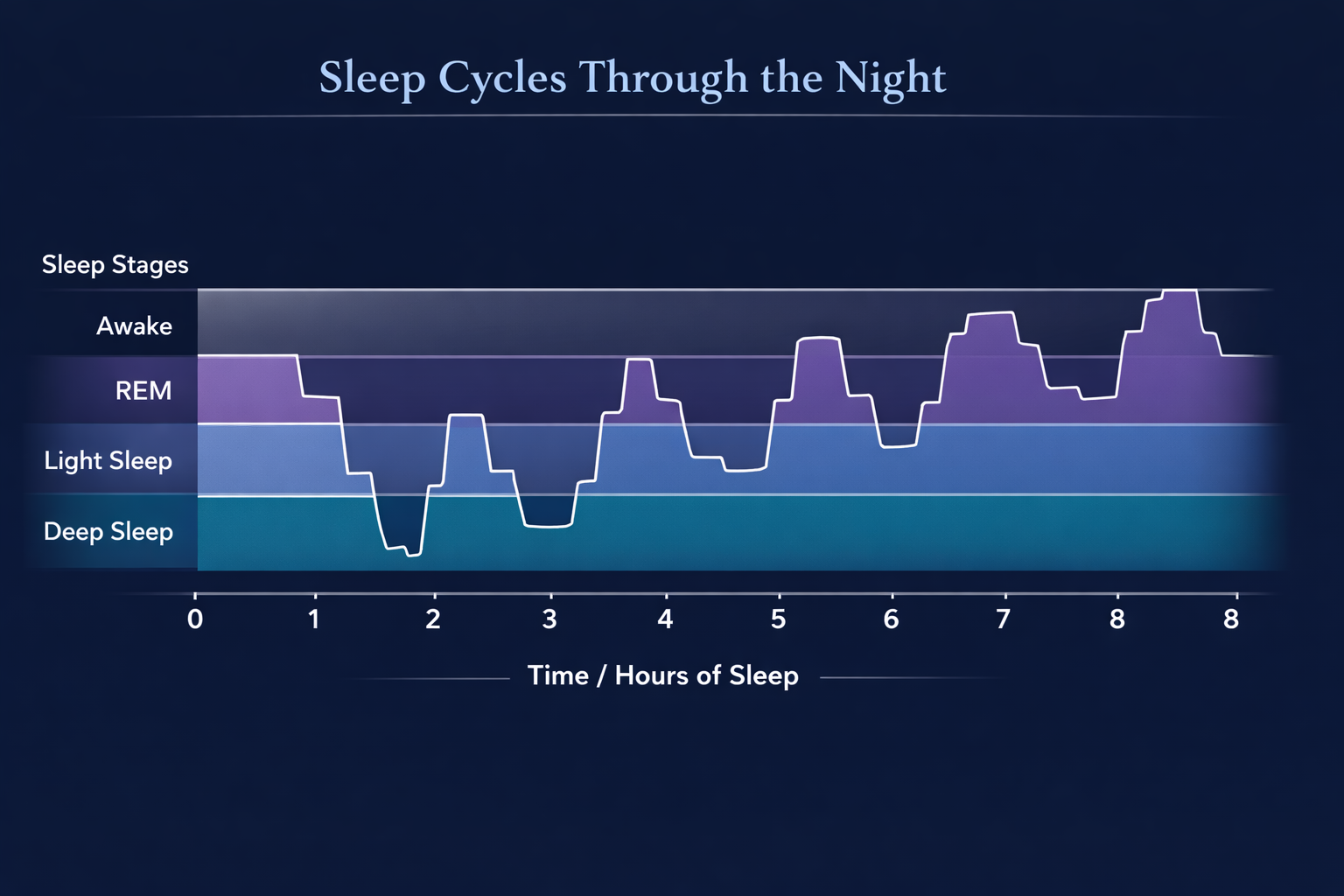
Waking up at 3 AM is often a normal “lighter sleep” window in the second half of the night, when REM sleep is more common and the brain is easier to arouse. Stress and hyperarousal, light/noise/temperature, alcohol, bathroom trips, blood sugar swings, pain, medications, and sleep disorders (like sleep apnea or restless legs) can make it happen more often and last longer.
Why does this keep happening? And more importantly, how do you stop it without relying on sleeping pills?
Why waking up at 3 AM happens
The “wide awake at 3 AM every night” experience feels personal. Like your body is sabotaging you on purpose. For many people, it’s mostly timing plus triggers.
In the second half of the night, you naturally spend less time in deep sleep and more time in lighter sleep and REM. That means the same things you could sleep through at midnight can wake you up at 3 AM: a warm room, a partner rolling over, a faint streetlight, a worry thought, a full bladder.
The key concern is:
-
How often it happens
-
How long you stay awake
-
How you feel during the day (sleepy, wired, anxious, foggy)
Is it normal to wake up at 3 AM?
Most people briefly wake up multiple times per night and never remember it. That’s normal sleep physiology.
Middle-of-the-night insomnia (nighttime awakenings) is waking up during the night and having trouble falling back asleep, typically long enough to notice (often 20–30+ minutes) and frequent enough to affect daytime functioning.
Population research consistently shows nocturnal awakenings are common. About one-third of adults report waking during the night multiple nights per week, even though not everyone meets the clinical criteria for insomnia disorder.
The most common reasons you keep waking up at 3 AM
Why does your brain seem to have a standing appointment with 3 AM? While it can feel random or unsettling, there’s usually a pattern behind it. From stress hormones peaking in the early hours, to environmental tweaks you might not notice, to subtle changes in your body’s chemistry or sleep architecture, certain triggers are far more likely to nudge you awake at this exact time. Let’s break down the most frequent culprits behind those stubborn 3 AM wakeups, so you can start connecting the dots in your own night.
Note: Sleep Science Academy provides coaching and education, not medical diagnosis or treatment. If you see red flags below, loop in a licensed clinician.
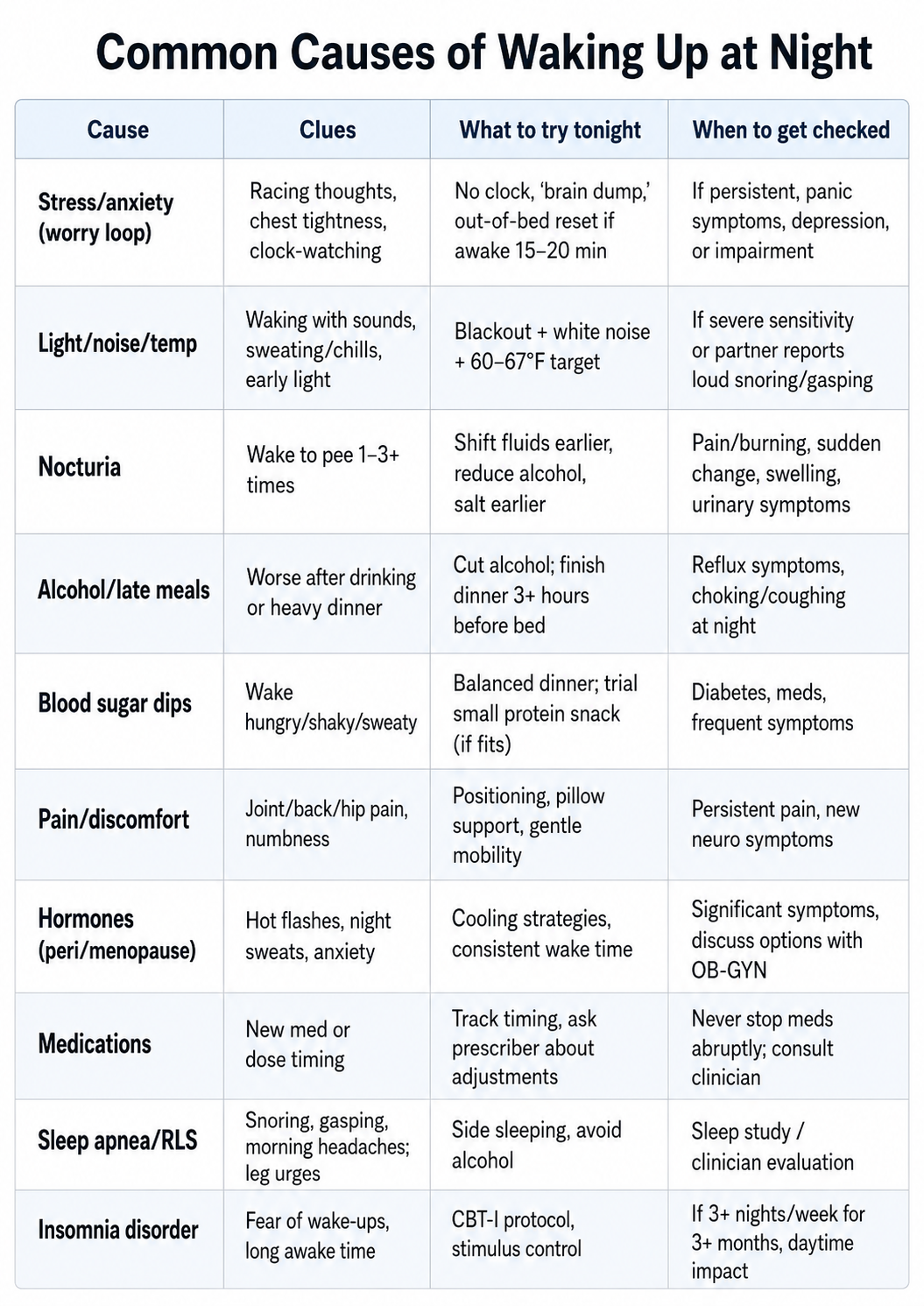
Quick troubleshooting table
Psychological Causes
Stress, anxiety, and the ‘3 AM worry loop’
When you wake up in the middle of the night with your mind racing, cortisol, a key stress hormone, is often at play. Normally, cortisol follows a natural 24-hour rhythm: it’s lowest at night to help you stay asleep and begins to rise in the early morning hours to help you wake up. But when you’re under chronic stress or have anxiety, this rhythm can get disrupted. Elevated nighttime cortisol increases your chances of waking up during lighter sleep stages, especially around 3 AM, when cortisol naturally starts to rise.
This surge in cortisol doesn’t just make your thoughts race; it also increases heart rate, muscle tension, and signals your body to scan for threats, making it much harder to slip back into restful sleep.
Signs you’re in the 3 AM worry loop:
-
You wake with a to-do list already playing
-
You feel an urge to solve life in the dark
-
You check the clock, then start spiraling
Managing evening stress and supporting healthy cortisol rhythms like relaxation routines, managing light exposure after dark, and consistent sleep-wake times can help break this cycle.
Important nuance: early morning awakenings can also be associated with mood disorders (including depression). This does not mean “you’re depressed.” It means persistent patterns deserve support, not self-blame.
Environmental Causes
Light, noise, and temperature
When sleep is lighter, tiny inputs matter.
Light
Light signals wakefulness through the circadian system. Even low-level light exposure can reduce melatonin signaling and increase alertness, especially if it hits your eyes during a wake-up.
Common culprits:
-
Streetlights through blinds
-
A bright bathroom light
-
Checking your phone
Try tonight:
-
Blackout curtains or a sleep mask
-
A dim red or amber night light for the bathroom
-
Phone out of reach, face down, or out of the room
Noise
Noise causes micro-arousals, even if you do not fully awaken. If you are already in lighter sleep, those micro-arousals can become full awakenings.
Try tonight:
-
White noise or pink noise
-
A fan as consistent sound
-
Earplugs if safe and comfortable
Temperature
Most people sleep best in a cool room. Sleep researchers often cite a rough target of 60–67°F (15.5–19.5°C), but your body may prefer slightly warmer or cooler.
Try tonight:
-
Lower thermostat 1–3 degrees
-
Breathable bedding and moisture-wicking sheets
-
Keep a light layer nearby instead of overheating the room
Physiological Causes
Nocturia (bathroom breaks at night) and hydration timing
Nocturia means waking at night to urinate. It becomes more common with age and can also be linked to pregnancy/postpartum changes, enlarged prostate, sleep apnea, and medications (especially diuretics).
Behavioral levers to test:
-
Shift more fluids earlier in the day
-
Reduce liquids 2–3 hours before bed (without dehydrating yourself)
-
Limit alcohol late (it increases urine production and fragments sleep)
-
Reduce bladder irritants in the afternoon and evening (caffeine, acidic drinks, spicy foods for some people)
-
Move salty foods earlier (salt can increase nighttime thirst and fluid shifts)
Red flags (get evaluated):
-
Pain or burning with urination
-
Sudden big increase in nighttime urination
-
Swelling in legs, shortness of breath, or signs of fluid retention
-
Blood in urine
For older adults with multiple factors (meds, prostate symptoms, sleep apnea risk, mobility), a primary care clinician or geriatrician can help untangle the drivers.
Blood sugar dips
Overnight glucose regulation is dynamic. For some people, long fasting windows, intense evening exercise, alcohol, or diabetes medications can contribute to dips that trigger adrenaline-like symptoms. This is not a common primary cause in healthy individuals
Clues this might be you:
-
You wake hungry
-
You feel shaky, sweaty, or wired
-
You notice it more after hard evening workouts or lighter dinners
Food strategy to test (7–14 days):
-
Eat a balanced dinner with protein, fiber, and healthy fats
-
If the pattern fits, trial a small protein-forward snack before bed (for example, something simple and not sugary)
If you have diabetes, unexplained night sweats, or you are on glucose-lowering medications, involve your clinician. Do not self-manage medication changes.
Pain and body discomfort (arthritis, neuropathy, injuries)
Pain fragments sleep. And because sleep is lighter later in the night, pain is more noticeable at 3 AM than at 11 p.m.
Common culprits:
-
Arthritis and joint inflammation
-
Neuropathy symptoms
-
Back, hip, or shoulder pain
-
Mattress and pillow mismatch
Non-medical strategies to try:
-
Adjust positioning and joint support (pillows between knees for side sleepers, under knees for back sleepers)
-
Gentle mobility work earlier in the day
-
Heat or ice timing based on what your clinician recommends
-
Track a simple pain and sleep diary to spot patterns (position, activity, flare triggers)
For persistent pain, new neurological symptoms, or pain that disrupts life, coordinate with a licensed clinician.
Menopause and perimenopause
Perimenopause and menopause can change sleep through:
-
Hot flashes and night sweats
-
Increased anxiety and mood variability
-
Circadian shifts (feeling sleepier earlier, waking earlier)
-
Increased risk of sleep-disordered breathing with age and hormonal changes
Practical levers:
-
Cooling bedding and breathable layers
-
Lower room temperature
-
Limit alcohol (hot flash trigger for many)
-
Keep a consistent wake time to stabilize your rhythm
If symptoms are persistent or severe, an OB-GYN can discuss a full range of evidence-based options.
Behavioral Causes
Alcohol, Stimulants, and Late Meals
Alcohol: While a nightcap can make you feel drowsy and help you fall asleep faster, alcohol disrupts your natural sleep cycle. It commonly leads to more frequent awakenings in the second half of the night, lighter sleep overall, and less restorative rest. Alcohol also increases the likelihood of reflux, snoring, and sleep apnea, especially during the REM-rich hours of the early morning.
Stimulants: Caffeine can remain in your system for several hours (its half-life ranges from 3–7 hours), so even an afternoon cup of coffee or tea may contribute to early-morning awakenings. Sensitivity varies widely. Some people can have caffeine after dinner without issue; others find any caffeine after noon disrupts their sleep. Nicotine is another stimulant that can both delay falling asleep and cause fragmented sleep.
Late Meals: Eating large or heavy meals close to bedtime can interfere with digestion and trigger heartburn or reflux when you lie down, making it harder to maintain deep sleep. High-sugar or high-carb meals may also cause blood sugar spikes followed by dips later in the night, which can wake you up feeling hungry, shaky, or sweaty.
What you can do:
-
Limit alcohol intake in the evening and avoid drinking within three hours of bedtime.
-
Cut off caffeine at least 6–8 hours before bed or earlier if you’re sensitive.
-
Avoid nicotine products late in the day.
-
Finish large or heavy meals at least 2–3 hours before lying down.
-
If you need a snack before bed, opt for something light and balanced (protein + complex carbs).
By making these timing adjustments, many people notice fewer nighttime awakenings and better overall sleep quality.
Clinical / Medical Causes
Sleep apnea
Sleep apnea can cause repeated micro-awakenings from breathing disruptions. It can be worse during REM sleep, which becomes more common later in the night.
Clues:
-
Loud snoring
-
Gasping or choking sounds
-
Morning headaches
-
Dry mouth
-
Daytime sleepiness, high blood pressure
If you suspect sleep apnea, ask your clinician about a sleep study. Treating sleep apnea can dramatically improve sleep continuity and overall health risk.
Restless legs syndrome (RLS)
RLS is an urge to move the legs, often uncomfortable, worse at rest, worse at night. It can fragment sleep.
Iron deficiency can be a contributor in some people, and clinicians may evaluate ferritin and other labs based on symptoms.
Insomnia disorder
Chronic difficulty falling or staying asleep, despite adequate opportunity and circumstances, is known as insomnia. It’s often marked by persistent trouble sleeping, daytime fatigue, and frustration about sleep. Insomnia can be triggered or worsened by stress, anxiety, irregular routines, or medical conditions.
If trouble sleeping occurs at least three nights per week for three months or more, it may be time to seek professional evaluation and treatment.
Medications and supplements that can disrupt sleep
Sleep disruption is a common side effect across many medication categories, and the effect is highly individual.
Some possible contributors include:
-
Certain antidepressants (varies by medication and person)
-
Beta-blockers (can affect dreams and melatonin pathways for some)
-
Corticosteroids (often stimulating)
-
Diuretics (bathroom trips)
-
Sedating antihistamines (can worsen sleep quality in some, cause next-day grogginess)
-
OTC cold remedies (some contain stimulants)
Age-related sleep changes and medical conditions
As we age, sleep often becomes lighter, more fragmented, and shifts earlier (early to bed, early to rise). Common medical contributors such as pain, nocturia, medications, mood changes, and increased risk for sleep disorders like apnea can further disrupt sleep. While these changes are normal, persistent or worsening issues should be addressed with a clinician to rule out treatable conditions and support healthy aging.
ADHD
ADHD is associated with higher rates of insomnia and sleep disruption.
Contributing pathways can include:
-
Hyperarousal and “busy brain” at night
-
Delayed sleep timing (night owl tendency)
-
Comorbid anxiety or depression
-
Medication timing issues
Important nuance: stimulant treatment is not always the villain. In some people, well-managed ADHD treatment improves daytime regulation and can improve sleep consistency. This is highly individual and should be managed with the prescribing clinician.
If you’re not sure which of these applies to you, this is exactly what we help clients identify step-by-step.
How to stop waking up at 3 AM
Waking up in the middle of the night can feel frustrating and exhausting, especially when it happens around the same time every night.
What to do in the moment
The good news: with some targeted changes, you can often retrain your body and mind for deeper, more continuous sleep. Here’s how to tackle those stubborn 3 AM wakeups:
Do:
-
Keep lights low
-
Get out of bed if you’re awake ~15–20 minutes
-
Do something quiet and boring
-
Return only when sleepy
Don’t:
-
Watch the clock
-
Scroll your phone
-
Problem-solve
-
Stay in bed for an hour “trying” to sleep
Helpful environment tip: Use a dim amber lamp, not overhead lighting.
What to change during the day
If nights are the symptom, days are often the setup.
-
Wake up at a consistent time (even after a rough night)
-
Get morning light when possible to anchor circadian rhythm
-
Exercise earlier in the day (great for sleep drive and stress)
-
Limit late caffeine (test a cutoff: noon to 2 p.m.)
-
Reduce alcohol near bedtime
-
Avoid long naps if you struggle with insomnia (short, early naps may be appropriate for some conditions, but test carefully)
What to change before bed
-
Keep the room cool, dark, quiet
-
Build a wind-down routine that you can repeat nightly
-
Avoid doom scrolling and email late
-
Finish heavy meals earlier if reflux or discomfort is in the pattern
-
Limit liquids late if nocturia is part of your wake-up
Repetition matters. Your brain learns through repetition.
What works for chronic insomnia
Chronic insomnia often requires more than sleep hygiene tips or quick fixes. The most effective, evidence-based approach is Cognitive Behavioral Therapy for Insomnia (CBT-I). CBT-I addresses the underlying patterns and thoughts that sustain insomnia, such as:
-
Conditioned arousal (your brain associates your bed with wakefulness and worry)
-
Sleep effort (trying too hard to sleep, which backfires)
-
Irregular sleep schedules
-
Maladaptive habits (like clock-watching, napping, or lying in bed awake)
CBT-I includes several core strategies:
-
Stimulus control: Reserve your bed for sleep (and intimacy) only. Get up if you can’t sleep after about 20 minutes; return to bed only when sleepy.
-
Sleep restriction therapy: Temporarily limit your time in bed to consolidate and deepen sleep, then gradually increase as sleep improves.
-
Cognitive restructuring: Challenge unhelpful thoughts (“I’ll never sleep again!”) and replace them with realistic expectations.
-
Relaxation techniques: Progressive muscle relaxation, deep breathing, or mindfulness practices to calm pre-sleep anxiety.
Sleep Science Academy’s Dynamic Sleep Recalibrating (DSR) Method
Sleep Science Academy offers a unique Dynamic Sleep Recalibrating (DSR) approach. This method personalizes elements from CBT-I with additional coaching to target the root causes of insomnia. DSR blends science-backed behavioral adjustments, mindset coaching, and daily accountability. Key parts include:
-
Identifying personal triggers and “sleep disruptors”
-
Creating a structured yet flexible plan that fits real-life schedules
-
Weekly feedback loops to adjust strategies as needed
-
Emphasizing sustainable habits for long-term results without dependency on sleeping pills
For many people struggling with chronic insomnia, combining CBT-I principles with personalized support like DSR makes it possible to break the cycle of sleeplessness and restore healthy sleep patterns.
Boundaries: SSA provides coaching and education, not medical care. When red flags exist, we collaborate with clients and encourage appropriate clinical evaluation.
If you want support:
-
Free training: Sleep Support Masterclass (SSA’s “3-phase sleep system”)
-
Deeper work: consultation-based coaching and structured programs
-
Ongoing learning: check out our podcast
When should you worry about waking up at 3 AM?
Not every 3 AM wake-up is a problem.
But persistent patterns deserve attention because sleep is not optional.
Signs it may be time to talk to a clinician
-
Wake-ups happen 3+ nights per week
-
The pattern lasts more than a few weeks (and especially if 3+ months)
-
You have night sweats, palpitations, breathing symptoms, or reflux
-
Pain wakes you consistently
-
Mood symptoms show up (anxiety, depression, irritability)
-
You recently changed medications or doses
-
Daytime functioning drops (driving safety, memory, performance)
Who to see
-
Primary care clinician (great starting point, can triage labs, meds, referrals)
-
Sleep specialist (insomnia, apnea, RLS, complex cases)
-
OB-GYN (perimenopause/menopause symptoms)
-
Mental health professional (when anxiety or depression is prominent)
Your Action Plan for 3 AM Wakeups
If you’re tired of waking up at 3 AM, start by identifying the most likely causes; whether it’s stress, environment, hormones, or another trigger. Try focused changes one or two at a time for a week to see what helps, and don’t panic if some awakenings still happen: lighter sleep at this hour is common. If your early wakeups persist, affect your daytime function, or come with other symptoms, reach out to a healthcare professional for guidance. With some detective work and patience, you can uncover what’s behind your 3 AM pattern and get back to restful nights.