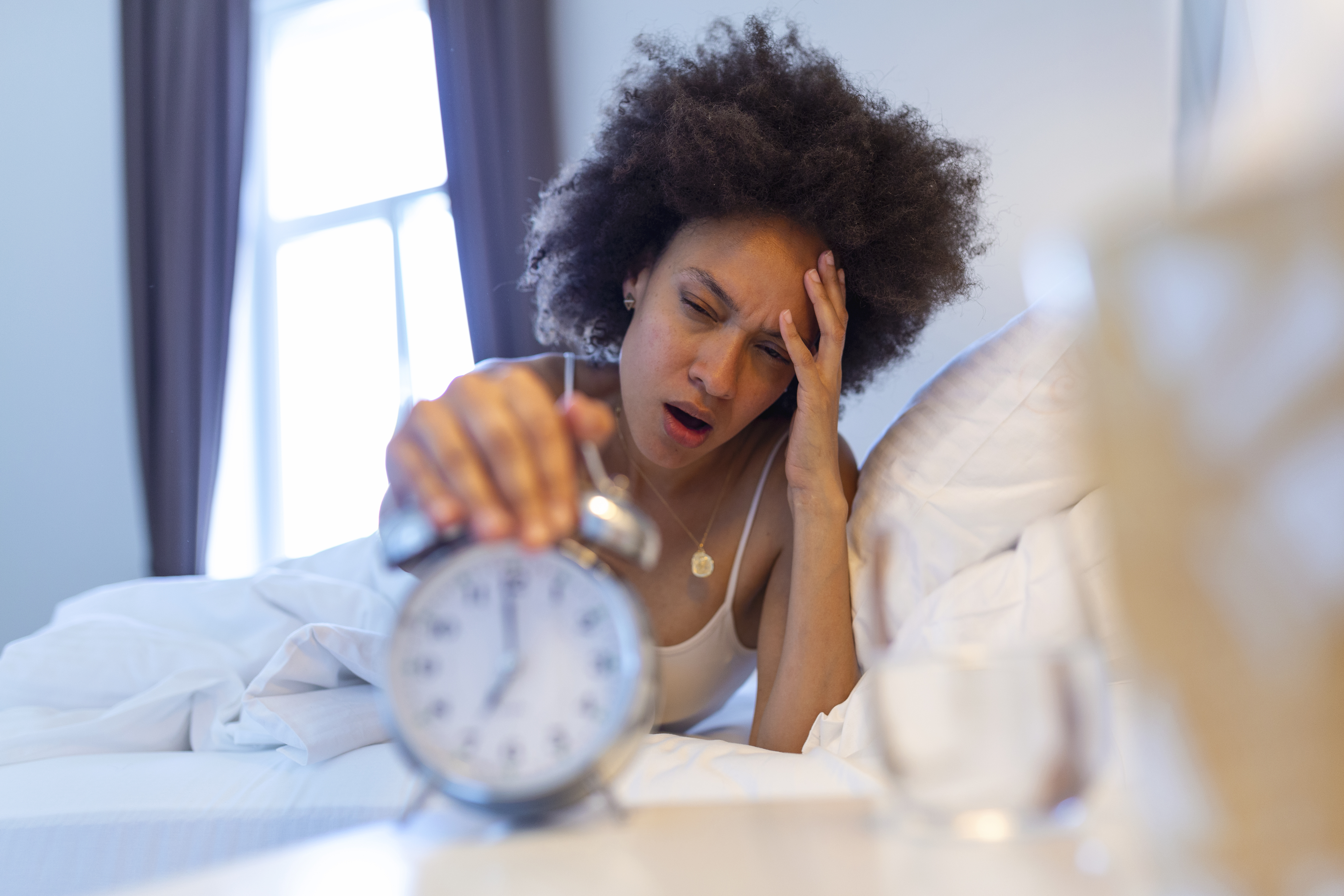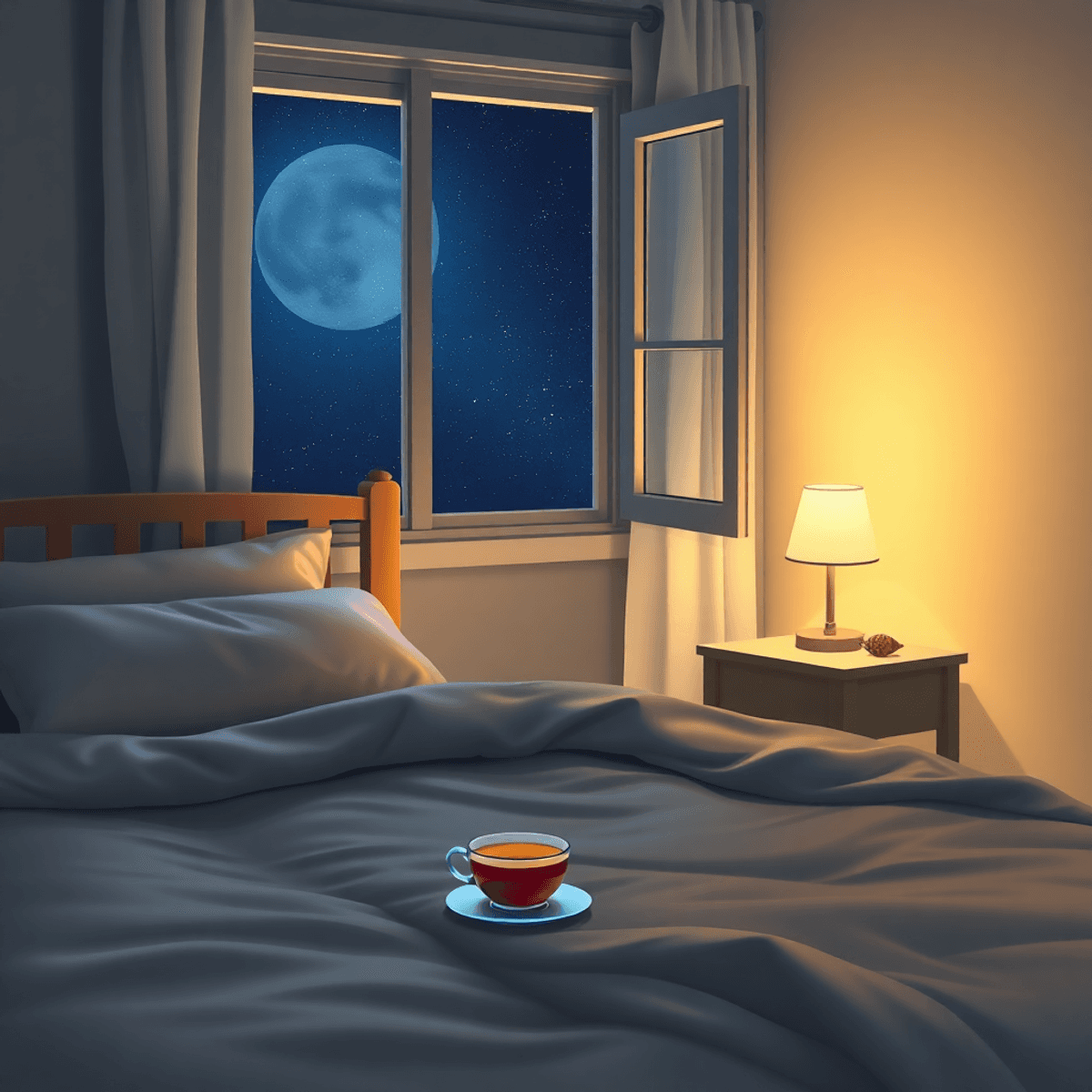

If you’re struggling with insomnia, you might notice a familiar pattern: the harder you try to sleep, the more elusive it becomes. Effort and frustration often keep sleep out of reach.
Let’s reframe this: sleep is a result, not something you can achieve by force. Your job isn’t to “make” yourself sleep; it’s to remove barriers so your body can do what it’s designed to do.
This guide is organized around three key timeframes:
-
Tonight: How to get through a sleepless night without adding new obstacles
-
This week: How to reset your sleep drive and bring more consistency to your routine
-
Long-term: How to address chronic insomnia at its roots using CBT-I and sustainable habits
Important note: SSA provides education and coaching, not medical care. If you’re using medications, managing a health condition, pregnant, or in severe distress, coordinate with a licensed clinician.
When sleep won’t happen, stop “trying harder”
Lying awake, exhausted but unable to sleep, is often driven by hyperarousal: a learned pattern where your nervous system remains stuck in a state of heightened alertness, making true rest impossible no matter how much effort you exert. Hyperarousal is not a sign of personal failure; it’s your body’s way of staying on guard even when you desperately want to relax.
Rather than pushing harder and fueling frustration, the key is to adopt strategies that gently interrupt this cycle and support your body’s natural ability to reset.
What type of insomnia are you dealing with?
Most insomnia fits one (or more) of these patterns:
Sleep onset insomnia
You can’t fall asleep. Often driven by racing thoughts, anxiety, and conditioned arousal. Treatments emphasize relaxation skills and stimulus control, helping your brain relearn that bed is for sleep, not stress.
Sleep maintenance insomnia
You fall asleep, then wake repeatedly or too early. Common drivers include stress physiology, sleep apnea, pain, hormones, temperature, or blood sugar swings. Physiological arousal or pain can fragment your sleep architecture by triggering mini-awakenings that block deep, restorative sleep. Treatments focus on sleep consolidation and identifying underlying contributors.
Chronic insomnia
Trouble falling or staying asleep that persists over time (often months). This usually needs structured treatment (like CBT-I), not just "better sleep hygiene." Chronic insomnia often involves unhelpful learned patterns around sleep.
Note: Many people experience mixed insomnia, both trouble falling asleep and waking up during the night, which can require a blend of approaches from both categories above.
How to treat insomnia
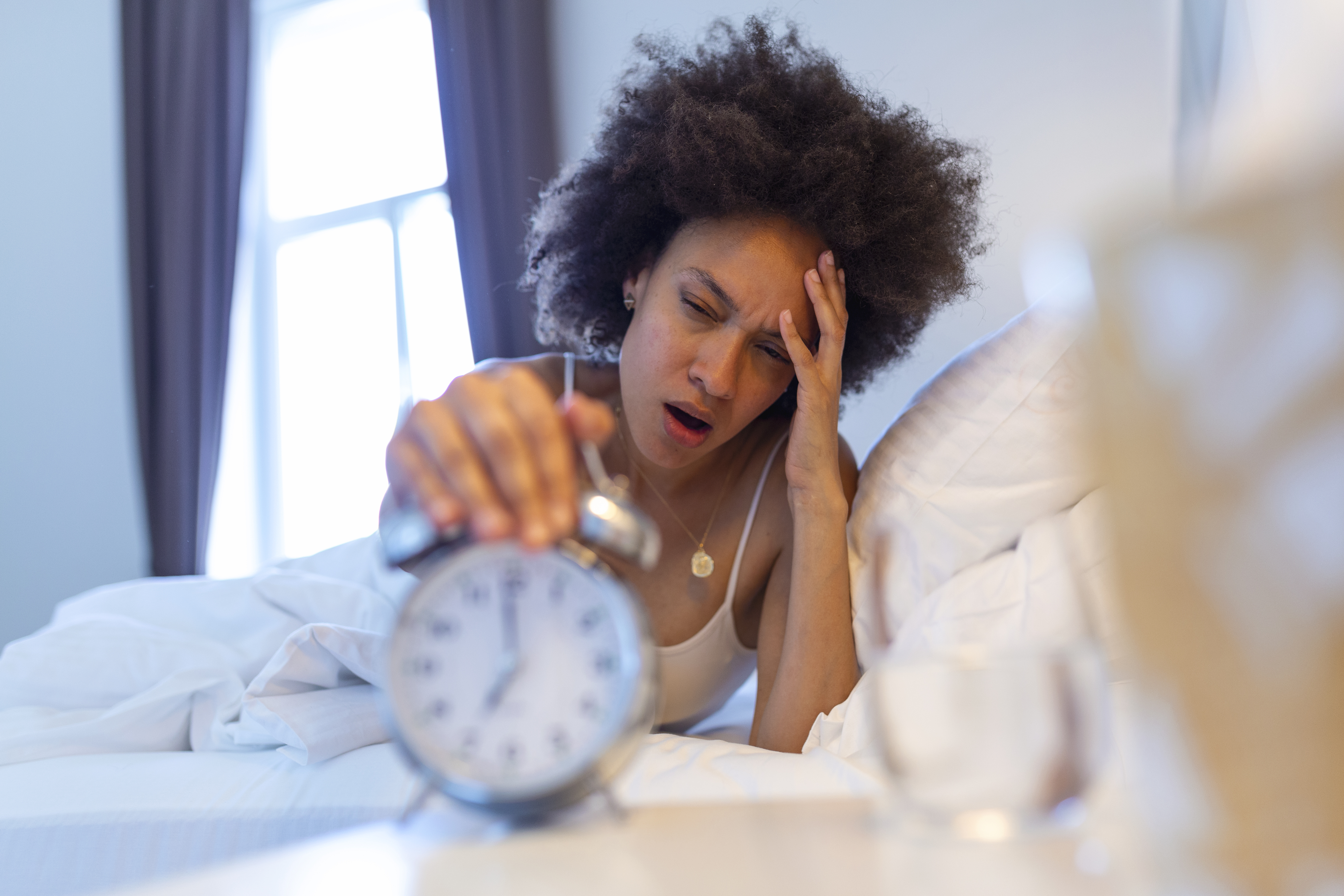
Step 1 (tonight): A 20-minute rescue plan for sleep onset and middle-of-the-night wakeups
Whether you're stuck at the beginning of the night (sleep onset insomnia) or awake at 3 a.m. (sleep maintenance insomnia), the goal is the same:
reduce arousal, break the struggle, and rebuild bed.
The 20-minute rescue plan (do this in order)
1. Stop clock-checking
Turn the clock away. Put your phone facedown. Clock-checking trains your brain to do threat math.
2. Body downshift (2–4 minutes)
Try physiological sighs (two short inhales, long exhale) for 1–2 minutes. Or do progressive muscle relaxation: tense and release major muscle groups.
3. Stimulus control: if you're not sleepy, get out of bed
If you feel "tired but wired," don't marinate in bed. Go to a chair or couch in dim light.
4. Choose a low-stimulation activity
Easy reading (paper book), a boring puzzle, light stretching, calming music. The rule: no problem-solving.
5. Light and temperature tweak
Keep lights low and warm. If you're overheated, cool the room or flip the pillow.
6. Worry parking lot (2 minutes)
Dump thoughts onto paper: "Tomorrow, I will handle this at 10:00 a.m." You're not fixing life tonight. You're postponing it on purpose.
7. Return to bed only when sleepy
Heavy eyelids, head nodding, losing your place in the book. That's your green light.
Why this works
When you get out of bed if you can’t sleep, you’re using stimulus control. This breaks the connection between your bed and being awake or stressed. Dim light supports melatonin production and keeps your circadian rhythm on track, so your body gets the right signals for sleep. Calming activities, like deep breathing, activate your parasympathetic nervous system, which helps shift your body from alertness to rest. These steps work together to retrain your brain to link being in bed with actually falling asleep.
Do this / Don’t do this
Do:
-
Keep it boring
-
Keep it dim
-
Keep it gentle and repeatable
Don’t:
-
Scroll on social media “until you’re tired”
-
Work, email, or plan your day
-
Start testing supplements at 3 a.m. like a science experiment
If anxiety spikes at night: a 5-minute cognitive reset
(A streamlined version of “cognitive restructuring” or “thought defusion” from CBT-I and ACT)
You don’t need forced positivity, just a gentle mental pivot.
-
Label the thought: “I’m having the thought that tomorrow will be a disaster.”
-
Possibility vs probability: “It’s possible I’ll feel awful. It’s not guaranteed.”
-
Compassion statement: “This is hard. My body can handle one rough night.”
-
Redirect to sensations: feel your feet, your breath, the weight of your hands.
-
Choose the next right action: dim light, boring activity, back to bed when sleepy.
Light and timing: the simplest lever most people miss
Tonight: if you get out of bed, keep light dim. Bright light tells your brain it’s morning and can delay sleepiness.
Tomorrow morning: get outdoor light soon after waking, even 5–10 minutes. This anchors your circadian rhythm and can make sleep come easier tomorrow night.
If your insomnia is driven by circadian timing (shift work, delayed sleep phase), light therapy can help, but it’s best done with clinician guidance for timing and intensity.
Step 2 (this week): stabilize your sleep drive without “sleeping in”
Here’s the trap: you sleep badly, so you sleep in. Then you’re less sleepy the next night. Insomnia repeats.
Two systems control sleep:
-
Sleep drive (homeostatic pressure): The longer you’re awake, the more adenosine builds up in your brain. This increases your urge to sleep. Sleeping in or napping too long drains this buildup, so you’re less sleepy at night.
-
Circadian rhythm: Your internal clock runs best on consistent timing.
This week, repeat these for best results:
-
Pick a wake time and keep it, including weekends.
-
Limit naps (keep them short and early if needed).
-
Minimize time-in-bed variability. Avoid sleeping in or going to bed much earlier/later than usual.
By stabilizing wake time and restricting catch-up sleep, you maximize natural sleep pressure and reinforce your body’s clock, making it easier to fall asleep the following night.
Step 3 (long-term): the gold-standard insomnia therapy (CBT-I)
If insomnia has become chronic, CBT-I is the most evidence-based path forward. Major guidelines, including the American Academy of Sleep Medicine (AASM), recommend CBT-I as first-line treatment for chronic insomnia, often ahead of medication alone.
CBT-I is not just “sleep hygiene.” It’s a structured set of skills that retrains your sleep system:
-
Stimulus control: bed is for sleep (and intimacy), not stress and scrolling
-
Sleep restriction therapy (SRT): temporarily compress time in bed to rebuild sleep efficiency and consolidate sleep
-
Cognitive restructuring: reduce catastrophic predictions that spike arousal
-
Relaxation training: teach your nervous system how to downshift on cue
-
Sleep hygiene (supportive): helpful, but rarely the cure by itself
At SSA, our coaching lens is holistic. We look at the full 24-hour pattern, not just nighttime symptoms. That can include stress physiology, behavioral consistency, light timing, and the beliefs that keep the threat system switched on. Coaching supports implementation and accountability, while clinicians diagnose and treat medical conditions.
Does It Actually Work?
Yes. Cognitive Behavioral Therapy for Insomnia (CBT-I) is strongly supported by evidence from systematic reviews and meta-analyses. According to a Cochrane review and meta-analyses endorsed by the American Academy of Sleep Medicine, approximately 70–80% of individuals experience clinically significant improvements in sleep onset, maintenance, and overall sleep quality with CBT-I.
Remission rates, defined as no longer meeting criteria for insomnia, are reported in 40–60% of patients following treatment. Importantly, these benefits are typically more sustained than those achieved with medication at long-term follow-up. CBT-I is most often delivered over 6–8 sessions.
Who should not DIY sleep restriction (and what to do instead)
Sleep restriction can be powerful, but it is not for everyone without professional guidance. Use caution and get clinician input if you have:
-
Bipolar disorder (sleep loss can trigger mania)
-
Seizure disorders (epilepsy)
-
Parasomnias (sleepwalking, REM behavior disorder)
-
Severe depression with suicidal ideation
-
Pregnancy complications
-
Older adult fall risk
-
Safety-sensitive jobs (driving, heavy machinery)
Alternatives: gentler sleep compression, consistent wake time, circadian anchoring with morning light, relaxation training, and clinician-supervised CBT-I.
Medications for insomnia: what to know before you try OTC or prescriptions
Medication can be appropriate in specific situations, especially short-term, but it works best when paired with behavioral treatment that addresses the engine of insomnia.
A few practical points:
-
OTC antihistamines can cause next-day sedation and tolerance. They also carry anticholinergic risks.
-
Melatonin is timing-sensitive and often better for circadian issues than for “knocking you out.”
-
Supplements are not regulated like prescription drugs in the US. Quality and dosing vary, so look for third-party testing and talk to a clinician if you’re unsure.
Prescription medications fall into several main categories:
-
Benzodiazepines (e.g., temazepam, triazolam): These sedative medications can help with falling or staying asleep but carry risks of dependence, tolerance, next-day drowsiness, and cognitive impairment, especially with long-term use.
-
Z-drugs (e.g., zolpidem, eszopiclone, zaleplon): These are non-benzodiazepine sleep aids often prescribed for short-term relief; they may cause side effects like sleepwalking, next-day grogginess, or rare complex sleep behaviors.
-
Dual orexin receptor antagonists (DORAs; e.g., suvorexant, lemborexant): These newer medications target the brain’s wake-promoting system and generally have a lower risk of dependence, though they can still cause next-day sleepiness or vivid dreams.
If you’re already using sleep meds, don’t stop abruptly. Always work with your healthcare provider to adjust or discontinue medication safely. Prescription options are best evaluated in coordination with your prescriber to match your needs, minimize side effects, and ensure safety.
Natural Insomnia Solutions: What Actually Works
“Natural” does not always mean safe. And it definitely does not always mean effective.
Here’s how to prioritize your approach, based on the strength of evidence.
Tier 1: Behavioral & Environmental Strategies
These are the interventions with the most consistent research backing and real-world results:
-
Consistent wake time: Wake up at the same time every day, even after a poor night’s sleep, to anchor your circadian rhythm.
-
Morning outdoor light: Get outside within an hour of waking for at least 10–30 minutes; daylight is a powerful signal to set your body clock.
-
Wind-down routine: Create a simple, repeatable pre-bed ritual (same order, same activities) to cue your brain for sleep.
-
Relaxation practice: Use calming techniques like diaphragmatic breathing, progressive muscle relaxation, mindfulness meditation, or yoga nidra to lower arousal before bed.
-
Caffeine reduction (and smart timing): Avoid caffeine after early afternoon; watch for hidden sources in sodas, chocolate, and medications.
-
Bedroom optimization: Make your sleep environment cool, dark, quiet, and as comfortable as possible (think blackout curtains, earplugs, supportive pillows).
-
Exercise timing: Aim for regular physical activity but finish vigorous workouts at least several hours before bedtime to avoid late-night stimulation.
These strategies directly address the biological drivers of sleep and have consistently outperformed supplements in clinical studies. They’re also low risk, making them suitable starting points for most people.
Tier 2: Supplements & Herbal Remedies (Limited or Emerging Evidence)
If you’re considering supplements, keep expectations realistic and safety top of mind:
-
Magnesium glycinate: Some people find this calming form of magnesium helpful for sleep onset or nighttime relaxation. Evidence is mixed.
-
Herbal teas (e.g., chamomile, valerian): Anecdotally soothing but not proven to improve insomnia in well-designed trials.
Safety caveat: Supplements can interact with medications or underlying health conditions. If you’re pregnant, breastfeeding, taking prescription drugs, or managing a chronic illness, consult your clinician before adding any supplement.
Situation-specific insomnia: how treatment changes
Insomnia in pregnancy: safest starting points
Start conservative and safety-first:
-
Left-side comfort positioning and pillow support
-
Reflux-friendly timing: lighter dinner, earlier meals if heartburn is driving wakeups
-
Gentle evening routine: dim light, warm shower, calming reading
-
Stimulus control: if awake and stressed, get out of bed briefly in dim light
-
Daytime light + short walks to support circadian rhythm and mood
Ask your OB/midwife about screening for restless legs and iron status if symptoms fit. Avoid self-prescribing sedatives or supplements without guidance.
Postnatal insomnia: when baby sleeps but you can’t
This is common and maddening. The driver is often vigilance: your nervous system stays on duty even when the baby is quiet.
Helpful moves:
-
Use short naps when possible (keep them early and brief)
-
Try partner shifts for protected sleep windows
-
Remove clock pressure (no constant time checks)
-
Avoid doom-scrolling during night feeds
-
Get screened for postpartum anxiety/depression if you feel persistently overwhelmed, panicky, numb, or hopeless
Perimenopause/menopause sleep problems: night sweats, awakenings, and timing
Hot flashes and temperature swings can fragment sleep by disrupting core body temperature control and triggering arousal responses that interrupt normal sleep architecture, increasing early awakenings.
What helps:
-
Cooler room, breathable bedding, moisture-wicking sleepwear
-
Be cautious with evening alcohol (often worsens night sweats)
-
CBT-I tools for wakeups and sleep anxiety
-
Discuss HRT or non-hormonal options, such as low-dose antidepressants or cognitive behavioral approaches for hot flash distress, with a clinician if symptoms are significant
Diabetes + insomnia: the two-way street
Poor sleep can worsen insulin sensitivity, and glucose variability can disrupt sleep through:
-
Nocturia (waking to urinate)
-
Hunger or low blood sugar sensations
-
Neuropathy pain
Practical steps to discuss with your care team:
-
Fluid timing to reduce nocturia
-
Bedtime snack strategy if hypoglycemia is a concern
-
Pain management review
-
Screening for sleep apnea (especially with snoring and daytime sleepiness)
When insomnia is chronic: red flags and next best steps
Consider a higher-support path if insomnia persists and you notice red flags like:
-
Loud snoring, gasping, or witnessed apneas (possible sleep apnea)
-
Severe daytime sleepiness or near-miss driving incidents
-
Restless legs symptoms
-
Mood instability, mania, or severe depression
-
Suicidal thoughts or severe distress
-
Pregnancy complications
-
Substance or medication dependence concerns
Next best steps:
-
Keep a 7–14 day sleep diary
-
Get a clinician evaluation and medication review
-
Ask about CBT-I referral or a structured CBT-I program
-
Screen for sleep apnea if risk factors fit
-
Consider targeted labs only when clinically indicated (your clinician can guide)
A Realistic Path Forward: Lasting Change Is Possible with the Right Sleep Strategies
Insomnia improvement starts with targeted actions at each stage. Use the 20-minute rescue plan when you can’t sleep tonight. This week, prioritize a consistent wake time, even on days after poor rest, to stabilize your sleep drive. For long-term change, address the underlying patterns with CBT-I, recognized as the gold-standard therapy for chronic insomnia.
If you want deeper training, explore SSA resources on evidence-based sleep coaching and CBT-I-informed approaches.