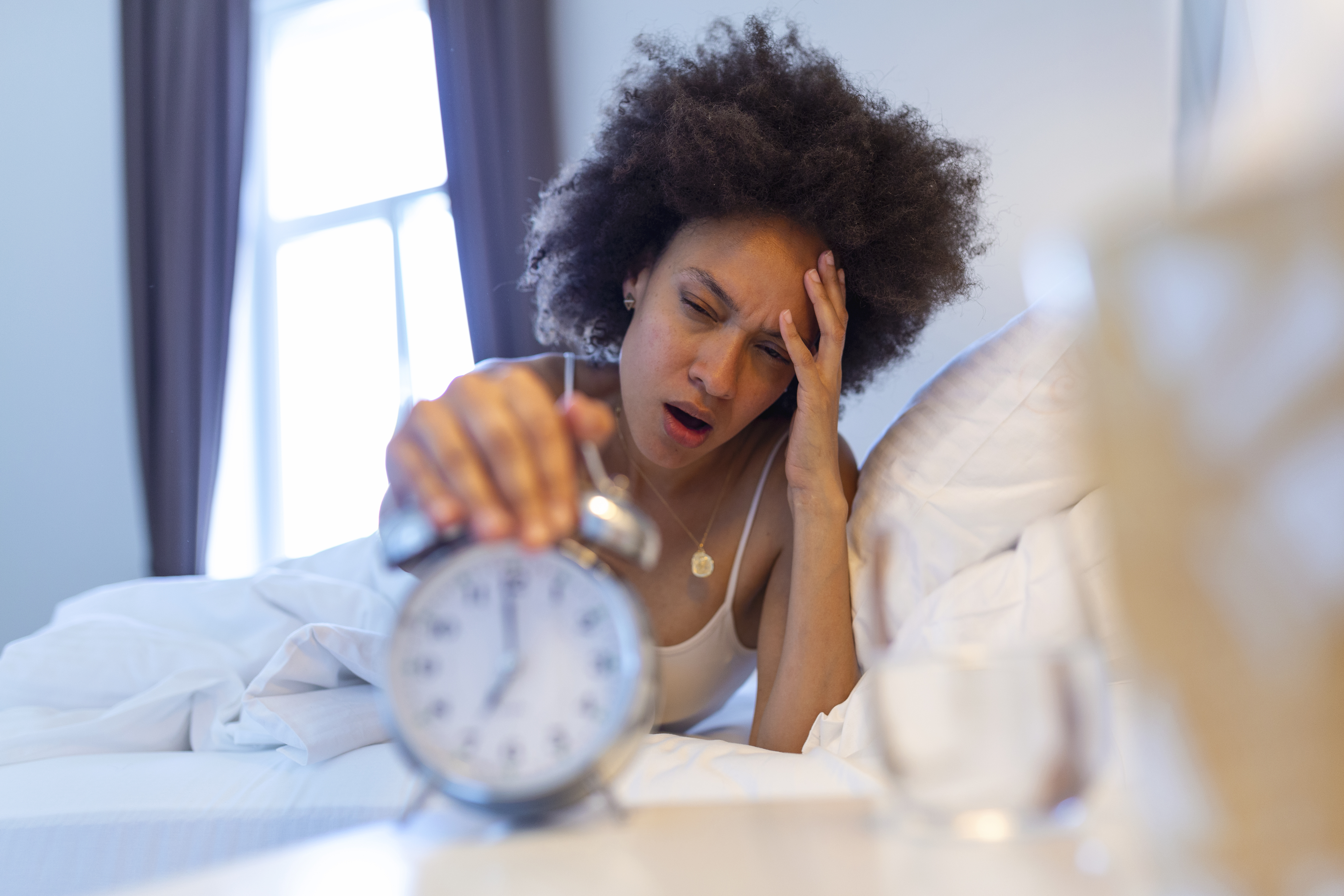

You’re bone-tired and have followed every piece of advice: no screens, calming routines, the perfect wind-down. But as soon as your head hits the pillow, it’s like someone hit a switch in your brain. Suddenly, thoughts race and alertness floods in, leaving you wide awake just when you need sleep most.
This specific problem has a name: sleep onset insomnia. It's one of the most frustrating sleep patterns because it makes you feel powerless. You can't force sleep. You can't negotiate with sleep. And the harder you try, the more awake you feel.
In this guide, you'll get a clear definition, the most common causes (including anxiety and ADHD), a quick self-check, and step-by-step options that actually help, including CBT-I principles, circadian strategies like light therapy, and a medication overview for informed conversations with your clinician.
At Sleep Science Academy, we take a science-based, root-cause approach. We focus on education and coaching, not medical care. Our lens is simple: sleep is a result. When the mind and body are balanced, sleep happens. We were born knowing how to sleep and if you are not sleeping all it means is there is something to learn.
What is sleep onset insomnia?
Sleep onset insomnia is difficulty falling asleep despite having enough time and a reasonable sleep opportunity. It is best understood through sleep onset latency (SOL), which is the measured time between lying down (or lights out) and actually falling asleep.
-
Normal SOL: about 10 to 20 minutes for many healthy sleepers
-
Common clinical cutoff: SOL > 30 minutes
-
Acute insomnia: symptoms for less than 3 months
-
Chronic insomnia: symptoms 3+ nights/week for 3+ months
ICD-10 codes for sleep onset insomnia
-
G47.00 = Insomnia, unspecified
-
G47.01 = Insomnia due to medical condition
-
F51.01 = Primary (idiopathic) insomnia
-
Z73.810 = Behavioral insomnia of childhood, sleep-onset association type (ages 0–17)
For detailed ICD-10 coding information on sleep disorders, consult a dedicated clinical reference such as the ICD-10-CM codes for sleep disorders available at ICD10Data.com.
Types of insomnia: how sleep onset insomnia compares
Sleep onset insomnia rarely lives alone. It often overlaps with other insomnia patterns. But the "shape" of your night matters because it points to different root causes.
Sleep onset insomnia vs sleep maintenance insomnia
Sleep maintenance insomnia is trouble staying asleep. It can include frequent awakenings, long periods awake during the night, or waking too early and being unable to return to sleep.
Here's a quick way to tell the difference:
What bedtime looks like: With sleep onset insomnia, you dread the moment you lie down because you expect a struggle. With sleep maintenance insomnia, you fall asleep fairly quickly and think, "Great, I'm fine."
What the night looks like: Sleep onset insomnia brings long stretches of wakefulness at the beginning of the night. Sleep maintenance insomnia brings awakenings at 1 a.m., 3 a.m., 5 a.m., with broken sleep.
What morning feels like: With sleep onset insomnia, you think "I barely slept at all." With sleep maintenance insomnia, you think "I slept, but it was light and fractured."
Sleep onset insomnia vs "new onset" or "acute" insomnia
Acute insomnia is short-term, often triggered by stress, travel, illness, grief, or a sudden schedule change.
Chronic insomnia is the more persistent pattern: symptoms at least 3 nights per week for at least 3 months.
Symptoms of sleep onset insomnia
Sleep onset insomnia is not just “taking a while to fall asleep.” It often becomes a whole nighttime experience.
Nighttime symptoms
-
Taking a long time to fall asleep (often 30 to 60+ minutes)
-
Clock-watching or mental time-checking
-
Racing thoughts, rumination, planning, replaying conversations
-
Physical tension: tight chest, restless body, shallow breathing
-
Frustration, dread of bedtime, fear about tomorrow
-
Feeling sleepy before bed, then suddenly alert after getting into bed
Daytime symptoms
-
Fatigue and low energy
-
Irritability, mood swings, feeling emotionally thin-skinned
-
Reduced focus and working memory, more mistakes
-
Slower reaction time (important for driving and safety-sensitive jobs)
-
Increased anxiety about sleep, leading to earlier bedtime or more time in bed, which often backfires
And here’s the loop that traps people: psychological symptoms can be both cause and effect. You don’t have to “calm down” perfectly to sleep. But you do need a plan that lowers arousal and rebuilds trust in sleep.
Common causes and triggers of sleep onset insomnia
Sleep onset insomnia usually isn’t caused by a single factor. Instead, it’s often a mix of biology, habits, and stress that build up over time. Many people experience several issues at once.
Most cases fall into one (or more) of these four overlapping buckets:
1) Hyperarousal: the brain won’t downshift
Hyperarousal can be cognitive (thoughts) and physiological (body).
-
Cognitive hyperarousal: worry, rumination, mental problem solving, “What if I don’t sleep?”
-
Physiological hyperarousal: elevated sympathetic activation, tension, faster heart rate, alertness at night
A huge part of chronic sleep onset insomnia is conditioning. The bed stops being a cue for sleep and becomes a cue for alertness.
Common triggers include:
-
Work stress, caregiving stress, relationship stress
-
Trauma reminders or nighttime anxiety spikes
-
Late-night “catch up” mode: emails, planning, intense conversations
-
Overtraining or late, high-intensity exercise for some people
-
Sleep effort: trying hard, monitoring, forcing, testing if you’re asleep yet
2) Circadian timing issues
Your circadian rhythm is your internal timing system. It’s heavily anchored by light, especially morning light. Melatonin rises in the evening as part of a biological schedule.
If your circadian timing is delayed, you can be exhausted at 9 p.m. but still not biologically “in the sleep window” until 12 a.m. or 1 a.m.
Common patterns:
-
Delayed sleep-wake phase (night owl pattern)
-
Inconsistent wake times, especially sleeping in on weekends
-
Late evening light exposure (bright indoor lights, screens close to face)
-
“Social jet lag”: waking early for work, then shifting late on days off
3) Sleep hygiene and behavioral factors
Sleep hygiene alone is rarely enough for chronic insomnia, and research-backed guidelines generally place CBT-I as first-line. But behavior still matters because it can keep the system stuck.
Key disruptors that often show up in sleep-onset insomnia:
-
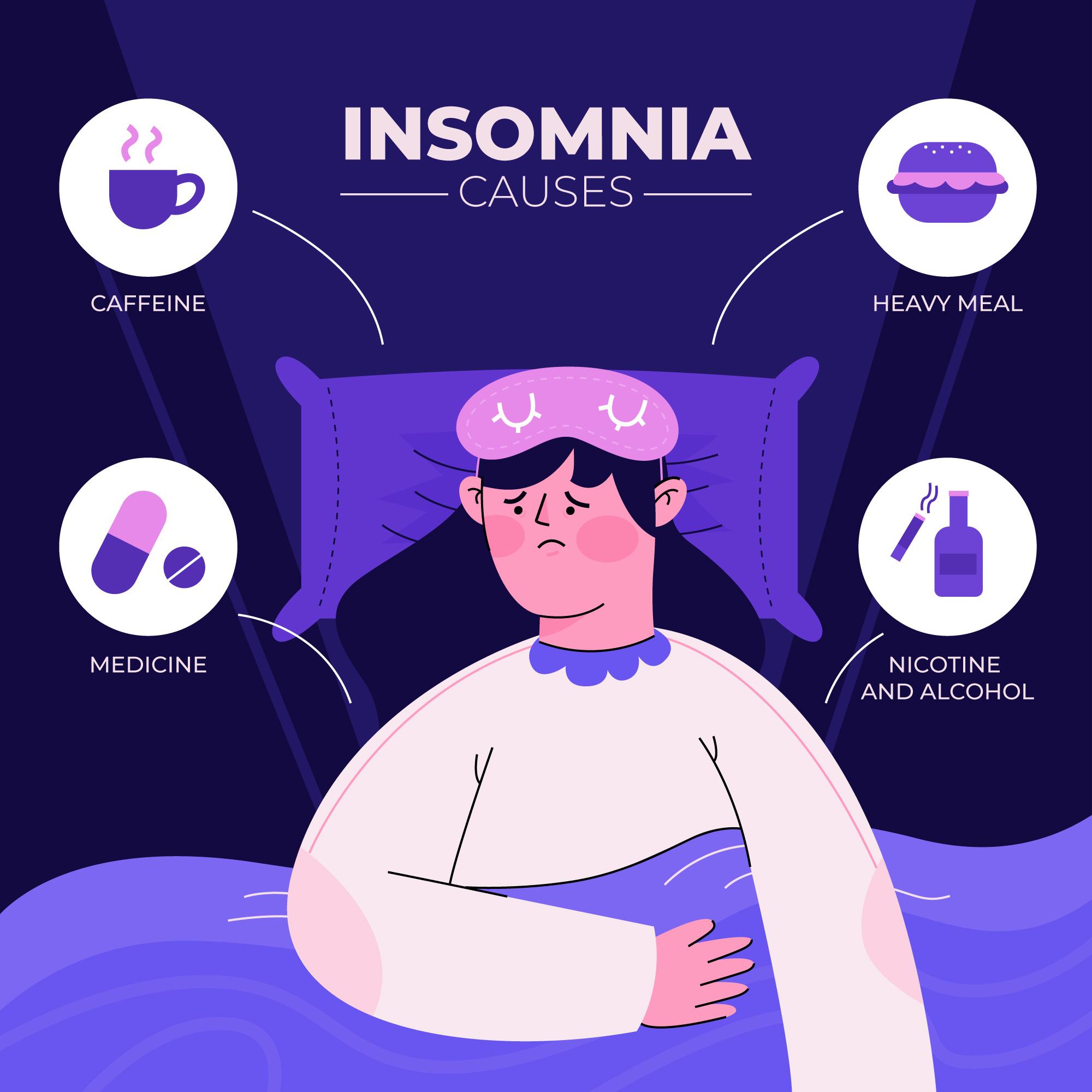
Caffeine timing: especially afternoon or evening caffeine, or high sensitivity
-
Alcohol near bedtime: may feel sedating, but can disrupt sleep architecture and stability
-
Nicotine and other stimulants
-
Heavy late meals, reflux triggers, or dehydration leading to discomfort
-
Irregular sleep schedule (wide swings in wake time)
-
Long naps, late naps, or frequent “rescue naps”
-
Late intense workouts for those who are sensitive
-
Bright light and screens late at night
-
Bedroom environment issues: too warm, noise, partner disturbances
-
Visible clocks that invite time-checking
4) ADHD
ADHD and sleep onset insomnia are closely linked, and this connection goes far beyond the common misconception that people with ADHD simply “lack discipline” or willpower. Here’s what research reveals about the relationship:
-
A large proportion of adults with ADHD report sleep disturbances, often including insomnia symptoms.
-
Delayed sleep-wake timing is commonly reported in ADHD populations.
-
Evidence suggests a real circadian phase delay in many individuals with ADHD, including later timing of melatonin onset compared to neurotypical adults.
-
In one consecutive clinical ADHD sample in peer-reviewed research, a large majority reported sleep-onset insomnia symptoms.
If you suspect ADHD, this is worth addressing directly with a clinician.
5) Medical and psychiatric contributors
Certain conditions may present as “I can’t fall asleep,” but the underlying causes are often completely different. Accurately identifying the root mechanism is crucial because treating the wrong cause won’t solve the problem.
Sleep disorders that can contribute:
-
Restless legs syndrome (RLS): uncomfortable urge to move legs, worse at night, relieved by movement
-
Periodic limb movements in sleep (PLMS): repetitive limb movements that fragment sleep
-
Obstructive sleep apnea (OSA): classically associated with snoring and daytime sleepiness, but it can also show up as fragmented sleep and difficulty settling
Medical contributors:
-
Chronic pain
-
Reflux (GERD)
-
Thyroid dysfunction
-
Some metabolic issues that raise discomfort or nighttime arousal
Mental health contributors:
-
Depression
-
Bipolar disorder (important for light therapy safety)
-
Medication side effects (including stimulant timing, some antidepressants, steroids, decongestants)
Quick self-check: do you likely have sleep-onset insomnia?
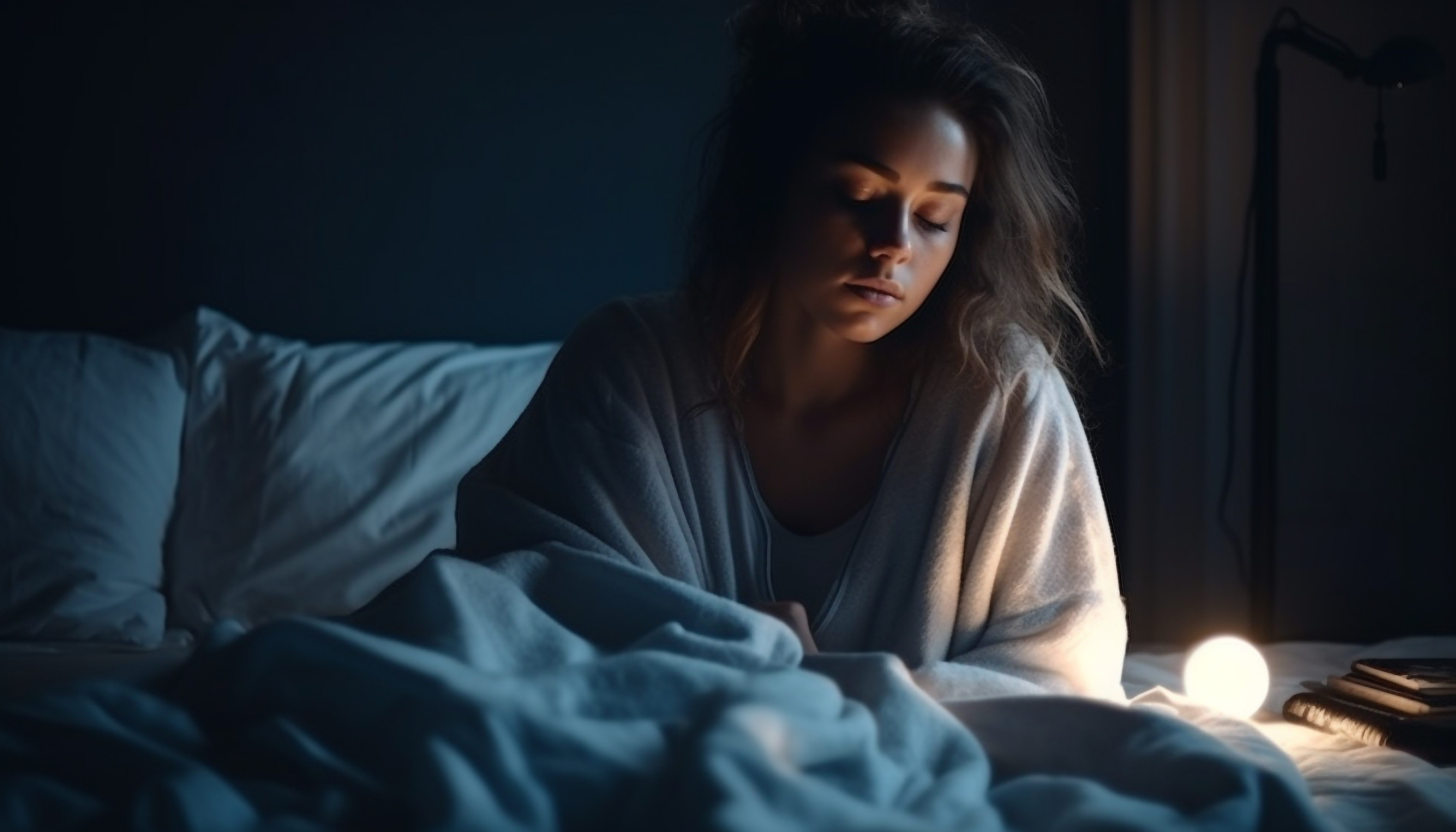
If you suspect you may be experiencing sleep onset insomnia, consider the following questions to help clarify your symptoms.
-
Does it usually take you more than 30 minutes to fall asleep at night?
-
Is this difficulty falling asleep happening at least 3 nights per week?
-
Has this sleep problem persisted for at least one to three months (for acute insomnia) or for 3 months or longer (for chronic insomnia)?
-
Do you have enough time in bed and a reasonable opportunity to sleep, but still struggle to fall asleep?
-
Are you experiencing daytime symptoms such as fatigue, mood changes, impaired concentration, or reduced performance because of your sleep issues?
-
Do you regularly find yourself lying awake in bed, feeling frustrated or anxious about not sleeping?
-
Is your trouble with sleep primarily at the beginning of the night, rather than waking up too early or frequently during the night?
How to treat sleep onset insomnia
Struggling to fall asleep night after night is frustrating. The solution isn’t forcing sleep but removing what blocks it. Below are practical, evidence-based strategies to help you retrain your body and mind for restorative sleep.
CBT-I (Cognitive Behavioral Therapy for Insomnia)
CBT-I (Cognitive Behavioral Therapy for Insomnia) is considered the gold standard treatment for chronic insomnia by leading sleep organizations. Unlike medications that only target symptoms, CBT-I tackles the underlying patterns like thoughts, behaviors, and habits that keep insomnia going.
Here are four essential elements of CBT-I:
1. Stimulus control
The goal is simple: bed equals sleep (and intimacy), not struggle. If you're awake in bed for about 20 minutes, get up. Do something quiet and dim. Return to bed when sleepy.
2. Sleep restriction (time-in-bed compression)
This builds sleep pressure by temporarily limiting time in bed to more closely match sleep ability, then gradually expanding it as sleep becomes more efficient. Expect sleep to feel worse in weeks 1 to 2 for many people. That disruption is often temporary and part of the process.
Note: At Sleep Science Academy, we found that sleep restriction is often not necessary and actually harmful for those struggling with chronic onset insomnia. Our apporach is much more gentle and doesn't involve strict bedtime rules.
3. Cognitive restructuring
This step addresses unhelpful beliefs that trigger anxiety and make it harder to fall asleep, such as “If I don’t sleep 8 hours, tomorrow will be a disaster” or “I need to force myself to sleep or I won’t function.” The focus is on reducing the sense of threat and urgency around sleep, helping your mind approach rest with less pressure and worry.
4. Relaxation training
Tools like progressive muscle relaxation and diaphragmatic breathing can reduce physiological arousal so sleep becomes possible again.
Light therapy
Light therapy is a strategic approach for shifting your circadian rhythm and is especially valuable when your main issue is a delayed sleep phase (your internal clock is naturally set late). It’s not a universal fix, but it’s one of the most effective ways to “nudge” your biological clock earlier, making it easier to fall asleep and wake up at more typical times.
Who benefits most from light therapy?
-
You consistently can’t fall asleep until very late, regardless of bedtime routines.
-
You have no trouble staying asleep or sleeping through the night, but initiating sleep at a desired time is nearly impossible.
-
Your sleep-wake schedule drifts later and later, or feels “locked in” to a late rhythm.
Evidence-based protocol:
-
Expose yourself to bright light within 30–60 minutes of waking up; ideally every single day, including weekends. Specialized light boxes (10,000 lux) or natural sunlight are best. Timing consistency is crucial.
-
Dim lights in the evening: Lower indoor lighting and screen brightness starting 2–3 hours before your target bedtime. Avoid overhead and blue-enriched lights late at night.
-
Anchor your wake-up time: Set a fixed wake time, even if you didn’t sleep well, and stick to it as much as possible. This helps reset your internal clock over time.
Important safety considerations:
-
Individuals with bipolar disorder or a history of mania should consult their healthcare provider before using light therapy, as bright light can occasionally trigger mood episodes.
-
Use caution if you have migraines, eye conditions (like macular degeneration or severe cataracts), or are on medications that increase light sensitivity.
-
Only use clinically approved devices and follow all manufacturer guidelines for distance, duration, and intensity.
Natural treatments and supplements
Supplements are not magic bullets, and they’re no substitute for core strategies like behavioral changes or fixing your sleep schedule. Still, in certain cases, they can offer an extra nudge if you use them wisely.
Melatonin (low dose: 0.5–3 mg)
-
Who it helps: People whose body clocks run late; think night owls who can’t wind down at a “normal” bedtime.
-
How to use it: Timing is everything. For circadian issues, melatonin works best when taken 1–2 hours before your desired sleep time, not right at bedtime.
-
Cautions: Start low; more doesn’t mean better. Too much or poor timing can leave you groggy in the morning or do nothing at all.
Magnesium glycinate
-
Why try it: Some people notice a calming effect, especially if stress, muscle tension, or racing thoughts keep them up.
-
What to expect: Not everyone feels a difference, and some forms of magnesium can cause digestive upset if the dose is too high.
Sleep-friendly foods
Certain foods, like tart cherry juice, kiwi, and walnuts, have shown modest, early promise for sleep in small studies. However, the evidence is preliminary, and these foods are unlikely to resolve chronic insomnia on their own.
-
Tart cherry juice: A natural source of melatonin and antioxidant polyphenols. Some small studies suggest it may help with sleep quality.
-
Kiwi: Surprisingly, eating kiwi before bed has shown modest sleep benefits in early research.
-
Walnuts: Contain small amounts of melatonin and is worth trying as part of a balanced snack.
Always check with your healthcare provider before starting any supplement, especially if you’re pregnant, have health conditions, or take prescription medications.
Sleep onset insomnia medications
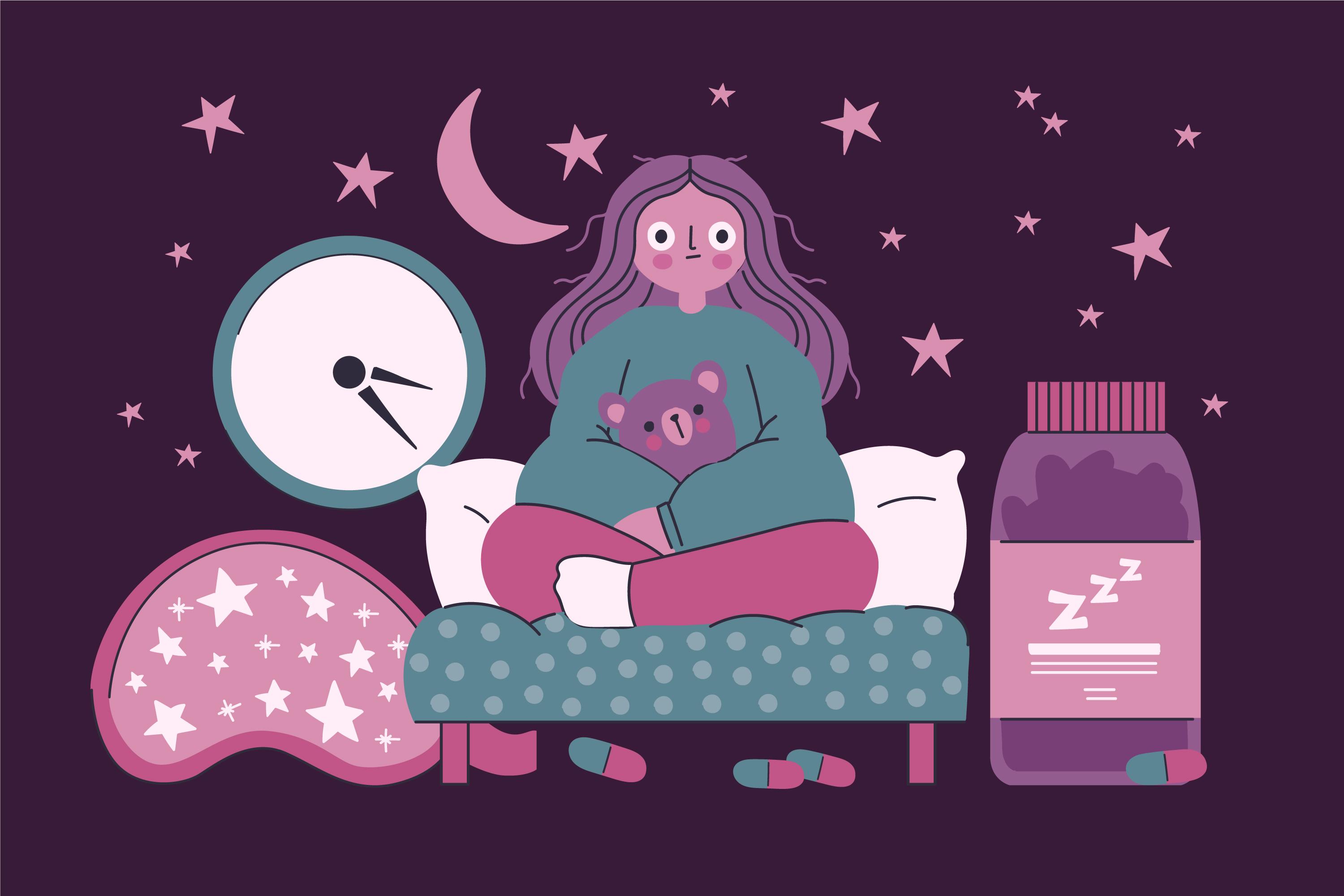
When exploring treatment options for sleep onset insomnia, you’ll encounter several medication classes, each with its own approach to helping you fall asleep. Here’s a closer look at the most commonly discussed categories:
Sedative-hypnotics (including "Z-drugs") and benzodiazepines
-
Pros: rapid effect for some people
-
Cons: tolerance, dependence, cognitive impairment, falls risk (especially in older adults), rebound insomnia
Orexin receptor antagonists
-
These target wake-promoting signaling (orexin)
-
Some patients find them helpful, with a different mechanism than traditional sedatives
-
Trade-offs and next-day effects still need clinician oversight
Sedating antidepressants and antihistamines
-
Sometimes used off-label
-
Next-day grogginess is common
-
Anticholinergic burden is a concern in some populations, especially with certain antihistamines
When to seek professional help
Consider professional support if:
-
Self-directed strategies haven’t improved things after about 4 weeks
-
Daytime functioning is significantly impaired
-
You suspect ADHD, sleep apnea, RLS, or a mood disorder
-
You’re relying on alcohol or OTC sleep aids to initiate sleep
-
You feel stuck in high anxiety around bedtime and can’t break the cycle
Who to see:
-
A sleep medicine physician (especially for rule-outs like OSA, RLS, PLMS)
-
A CBT-I trained psychologist or behavioral sleep medicine provider
What to expect:
-
A full sleep history
-
Review of a 2-week sleep diary
-
Sometimes a referral for testing (like polysomnography) if symptoms suggest another sleep disorder
A practical path to falling asleep naturally
Struggling to fall asleep is often a sign that something’s out of sync. Change the cycle by removing obstacles like stress, poor timing, and restless habits. Focus on a consistent wake-up time, practical CBT-I techniques, a relaxing wind-down, appropriate light exposure, and ruling out medical issues if necessary.
For extra guidance, Sleep Science Academy offers an 8-week online coaching program that combines proven insomnia strategies with circadian and mindfulness tools.